How Many Solar Panels for Home Kenya: Calculate Your Needs
Learn to calculate the exact number of solar panels your Kenyan home needs based on daily energy consumption and appliance load.
See everything powerbanks.africa can do for you.
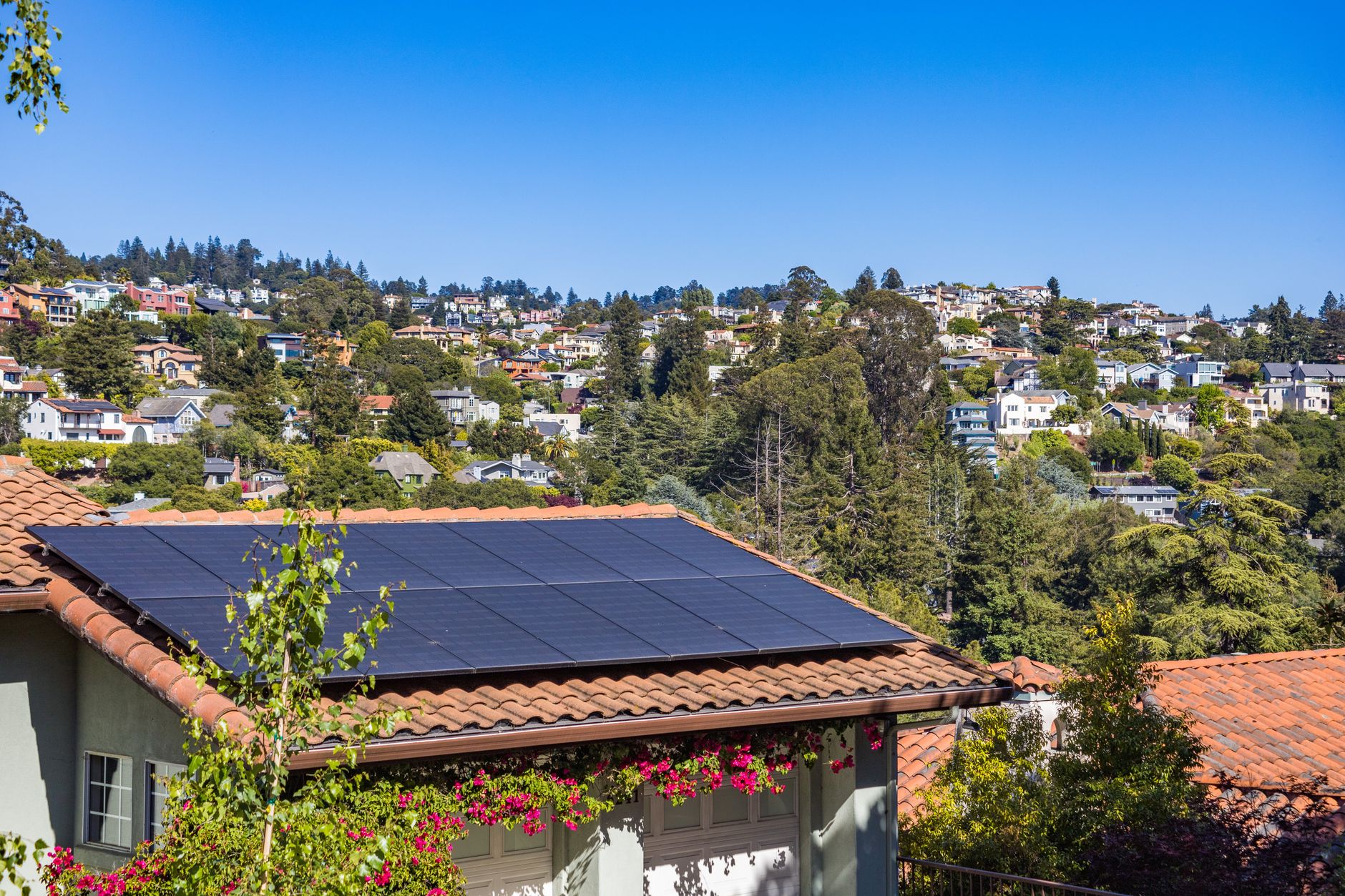
If you have ever wondered how many solar panels for home Kenya actually requires, you are asking exactly the right question before spending a single shilling on equipment. Getting this number wrong in either direction is a costly mistake, and thousands of Kenyan homeowners learn that lesson the hard way every year. A system that is too small leaves your lights dimming during a cloudy week in April, while a system that is too large ties up capital you could have spent on better battery storage or a quality inverter. Before you browse any retailer or compare Solar Panels Best Prices, you need a clear picture of your own household's energy demand. This guide walks you through the full calculation in plain language, using realistic Kenyan appliance loads and regional sun data so you can arrive at a number you can actually trust.
Why Calculating Solar Panel Needs Matters for Kenyan Homes
Most people approach solar shopping the wrong way, asking a supplier how many panels they need before they have listed a single appliance. That approach hands control of a major financial decision to someone whose incentive may be to sell you more equipment. Oversizing your system wastes money on extra panels, a larger inverter, and battery bank capacity that sits idle most of the time. Undersizing means your batteries run flat on heavy-use evenings or during the long rainy seasons that hit the Kenyan highlands and coast every year. Taking an hour to do this math properly is the single best investment you can make before any money changes hands.
Step 1: Calculate Your Daily Energy Consumption in kWh
The foundation of every solar sizing exercise is a complete list of every electrical appliance in your home, paired with its wattage and the number of hours you use it each day. You can find wattage on the label printed on the back or bottom of most appliances, and if it is missing, a basic plug-in energy meter from a hardware store will measure it directly. For each appliance, multiply its wattage by its daily usage hours to get a figure in watt-hours. A 200W refrigerator running 12 hours a day contributes 2,400 watt-hours, a 60W television watched for 4 hours adds 240 watt-hours, and ten LED bulbs at 10W each burning for 5 hours together add 500 watt-hours. Once you have watt-hours for every appliance, add them all together and divide the total by 1,000 to convert to kilowatt-hours per day, which is the unit your solar installer and most equipment specifications will use.
Common Kenyan Appliance Loads to Include
Refrigerators draw between 150 and 400W depending on size and age, while televisions typically consume 50 to 100W. Ceiling fans sit around 50 to 75W, and phone and laptop chargers add a small but steady load across the day. Electric water heaters are heavy consumers at 2,000 to 4,000W, so even short daily bursts add up quickly. Do not forget occasional loads like a clothes iron or electric kettle, because even infrequent use of high-wattage devices shifts your panel count meaningfully. Listing every appliance honestly, including the ones you use only a few times a week, gives you a consumption figure you can actually rely on.
Step 2: Account for System Losses and Weather Variability
A solar system does not deliver every watt it generates directly to your appliances in a perfectly efficient chain. Energy is lost at each conversion point: the inverter converting DC power to AC, the wiring carrying current through your home, and the charge controller managing battery charging all bleed off roughly 20 to 30 percent of gross generation under real-world conditions. To account for this, multiply your daily kWh figure by 1.3, which means a home consuming 4 kWh per day actually needs its system to generate about 5.2 kWh daily just to break even. For a system that keeps your home running reliably through the rainy months, experienced installers recommend designing for a 30 to 50 percent buffer above your adjusted daily requirement.
How Kenya's Regional Sun Hours Affect Your Calculation
Kenya's sun hours vary significantly by region, with Nairobi receiving roughly 5 to 5.5 peak sun hours daily. Coastal Mombasa and arid northern counties can receive more, while highland areas like Nyeri can receive less during certain months. The long rains from March to May and the short rains in October and November reduce effective generation in many parts of the country, sometimes cutting daily output by 20 to 40 percent compared to the dry season. Coastal homeowners also face high humidity that degrades panel output over time, adding another variable to their calculations. Knowing your county's seasonal pattern before you finalise your panel count protects you from sizing your system for perfect conditions that only exist for part of the year.
Step 3: Determine How Many Solar Panels for Home Kenya You Need
Once you have your adjusted daily generation target, you need to know how much a single panel actually produces in your location on an average day. Most residential panels sold in Kenya today are rated at 300W, 350W, or 400W under standard test conditions, but real-world output is typically 70 to 85 percent of that rating because of panel temperature, dust accumulation, and suboptimal mounting angles. The working formula is straightforward: take your adjusted daily kWh requirement, divide by your panel's real-world output in kilowatts, and then divide again by your location's peak sun hours to get the number of panels required. As a practical example, a household that needs 6.5 kWh generated per day, using 350W panels derated to 300W effective output in Nairobi's roughly 5 peak sun hours, needs about 4.3 panels, which means rounding up to 5. A home in a lower-sun-hour region like Nyeri during the rainy season might need 6 panels to hit the same target reliably.
Rounding Up and Leaving Room to Grow
Always round your panel count up to the next whole number rather than down, since generating a small surplus costs far less than running short on overcast days. Many Kenyan homeowners also find their electricity consumption rises after going solar because reliable power encourages them to add appliances they previously avoided using. Building in one or two spare panels at installation is significantly cheaper than retrofitting the system later, when you may need to upgrade the charge controller or cabling as well. If your roof space or budget is tight, at minimum design the wiring and inverter to accept additional panels in the future. Planning for growth from day one turns a good system into one that serves your household for a decade without a costly redesign.
Typical Panel Needs for Common Kenyan Household Scenarios
Rather than leaving you with pure theory, it helps to see how the math lands for homes that resemble your own. A modest home with basic LED lighting, phone charging, a small chest freezer, and a television typically needs 3 to 4 panels rated at 350W each when paired with adequate battery storage. A medium-sized household that adds a larger refrigerator, an electric water heater used for short daily bursts, a home office laptop, and several rooms of lighting generally lands in the range of 6 to 8 panels. Larger homes with air conditioning units, multiple refrigerators, electric cooking, and high daily occupancy can require 10 to 15 panels or more, and at that scale the battery and inverter costs grow substantially alongside the panel count. Urban apartment dwellers often find their needs sit at the lower end of each range because their floor areas are smaller and they rarely have water pumps or large water heaters.
Designing for Your Worst Month, Not Your Best
A system that comfortably meets your needs in January may fall short in April when the long rains arrive and cloud cover thickens over much of the country. Designing for your worst month rather than your average month protects your investment across the full year and prevents the frustration of a system that performs brilliantly in the dry season but disappoints when you need it most. The worst-month approach typically adds one or two panels to your calculated total, a modest upfront cost relative to the reliability it buys. Your installer should be able to tell you which months in your specific county tend to deliver the fewest peak sun hours. Using that data as your design baseline is one of the most practical things you can do to ensure long-term satisfaction with your system.
Beyond Panels: Battery Storage and Inverter Sizing
Calculating the right number of panels is genuinely important, but panels alone cannot power your home through the night or through a sequence of overcast days. Battery capacity must be large enough to store at least one full day of your adjusted consumption, and for off-grid homes in areas with unreliable sun, two days of storage is a more comfortable target. A household consuming 5 kWh per day typically needs 10 to 15 kWh of usable battery capacity, accounting for the fact that most lithium batteries should not be discharged below 20 percent to preserve their lifespan. Your inverter must be sized to handle your peak instantaneous load, which is the moment when the refrigerator compressor kicks on at the same time as the water pump and the television, not just your average hourly consumption. Many Kenyan buyers underestimate battery costs, which for a well-specified lithium iron phosphate bank can equal or exceed the cost of the panels themselves in an off-grid setup.
Grid-Tied Systems as a Middle Path
Grid-tied systems with a battery backup component offer a practical option for urban homeowners who have reasonably reliable grid access. Smaller battery banks are viable in this setup because the grid absorbs overnight demand whenever it is available, reducing the storage requirement significantly. This approach can lower your upfront system cost while still protecting you against the frequent outages that affect many Kenyan towns and suburbs. The trade-off is that your energy independence is partial rather than complete, which suits some households and not others depending on how often and how long their local grid fails. Understanding this full system picture helps you budget realistically and avoids the frustration of buying panels first and discovering later that your storage budget is exhausted.
Working With a Certified Local Installer
Running these calculations yourself gives you a strong foundation, but a certified local installer brings knowledge that no formula can fully replace. They will know the typical shading patterns in your neighbourhood, the soil conditions that affect earthing, and the specific quirks of the equipment brands available in your county. Sharing your completed appliance audit with them before the first meeting makes the consultation faster and gives you a basis for checking whether their proposed system matches your calculated needs. Ask any installer to show you the consumption and generation figures behind their recommendation, not just the final panel count. A professional who can walk you through the numbers step by step is far more likely to deliver a system that actually performs as promised.
Sizing a home solar system is not complicated once you break it into steps, and the reward for doing it carefully is a system that delivers what you paid for across years of use. Start with an honest appliance audit, apply the efficiency and weather adjustments, run the panel formula for your specific region's sun hours, and then size your battery and inverter to match. Every Kenyan household is different, whether you are in a Nairobi apartment, a Thika smallholding, or a homestead in Kisumu, and the calculation reflects those differences precisely. If the arithmetic feels daunting, share your appliance list with a qualified local installer and ask them to walk through the numbers with you. A well-designed solar system is one of the most reliable long-term investments a Kenyan homeowner can make, and taking the time to get the sizing right from the start is what separates a system that performs for a decade from one that disappoints in the first rainy season.
See everything powerbanks.africa can do for you.
Visit powerbanks.africa →