How to Charge Solar Batteries Correctly for Years of Service
Most homeowners who invest in a solar power system spend considerable time choosing the right panels and inverter, but pay far less attention to how they charge the batteries once everything is installed. That oversight costs money in ways that are entirely avoidable. You can protect a significant portion of your solar budget simply by building better daily charging habits, and knowing where to find reliable battery solutions is a good place to start.
See everything powerbanks.africa can do for you.
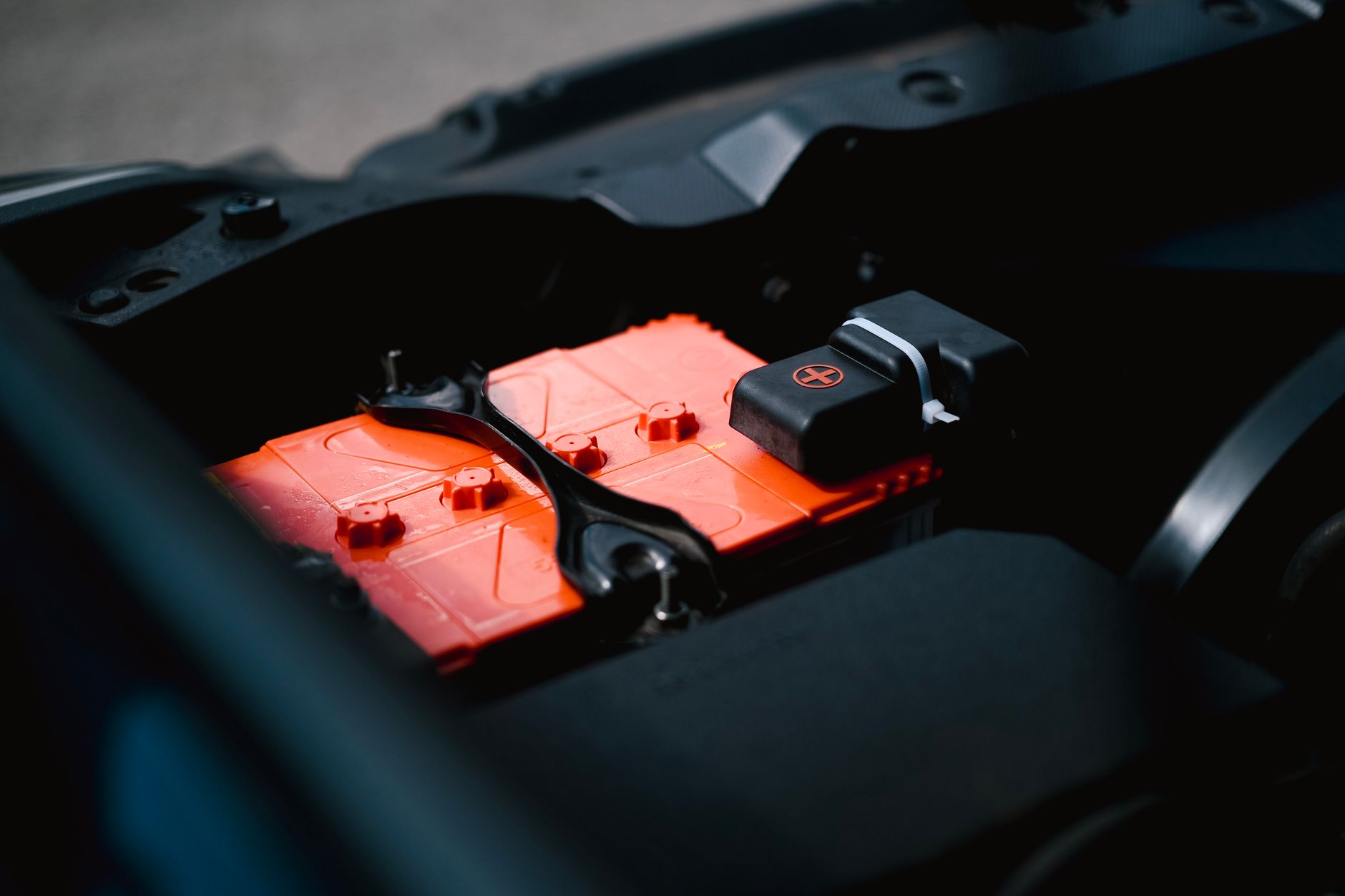
Most homeowners who invest in a solar power system spend considerable time choosing the right panels and inverter, but pay far less attention to how they charge the batteries once everything is installed. That oversight costs money in ways that are entirely avoidable. Knowing how to charge solar batteries correctly is one of the most practical skills a Kenyan homeowner can develop, because charging habits have a direct and measurable effect on how long a battery lasts. Solar batteries represent a significant portion of any home solar budget, so protecting that investment with better daily habits makes real financial sense. Kenya's unique climate, with its intense heat, humidity swings, and occasional grid fluctuations, adds extra pressure on battery chemistry that proper charging can offset. This guide walks you through the specific habits, settings, and seasonal adjustments that help your batteries deliver full performance for as many years as possible.
Why Charging Habits Matter More Than You Think
Every battery ages through charge cycles, but improper charging accelerates that aging far beyond what normal use would cause. Solar batteries are designed with a finite number of charge and discharge cycles before their capacity drops to a point where they are no longer useful, and poor charging habits can cut that cycle count in half. Kenya's heat is a particular concern, because high temperatures speed up the chemical reactions inside battery cells even when the battery is simply sitting on a shelf. Power fluctuations from the grid, which are common in many parts of Nairobi and across rural Kenya, can also disrupt charging controllers and expose batteries to irregular current. Most homeowners cause damage without realising it, simply because they have never been told what the warning signs look like or which habits to change.
Understanding why habits matter helps you make better decisions every single day your system is running. A battery that is consistently overcharged or consistently drained too low will show reduced runtime within a year, long before it reaches the end of its rated lifespan. That kind of premature decline feels like a product defect, but it is almost always a management issue rather than a manufacturing one. Once you understand the mechanisms behind battery degradation, the corrective habits become obvious rather than arbitrary. Investing a small amount of daily attention now pays back in years of reliable service and a battery replacement cycle that is longer and more predictable.
The Difference Between Shallow and Deep Discharge Cycles
One of the most important concepts in battery care is understanding the difference between shallow and deep discharge cycles, because the two have very different effects on long-term battery health. A shallow discharge cycle means you use roughly 20 to 30 percent of the battery's total capacity before recharging, which places relatively little stress on the internal chemistry. A deep discharge cycle takes the battery close to zero percent, and doing that repeatedly causes structural damage to the electrodes inside the cells that cannot be reversed. Most solar batteries for home systems are rated for far more cycles at shallow depths of discharge than at deep depths, so keeping the battery between 20 and 80 percent charge most of the time is a straightforward way to multiply its working life. Avoiding full discharges is not about being cautious for the sake of it, but about preserving the battery's physical ability to hold a charge over months and years of use.
Depth of discharge is one specification that many homeowners skip over when comparing battery models, yet it directly predicts how the battery will behave under real household conditions. A battery rated for 3,000 cycles at 50 percent depth of discharge might only deliver 800 cycles if routinely drained to 90 percent. That difference is the gap between a battery that serves you for eight years and one that needs replacing in under three. Setting a low-voltage cutoff on your charge controller is the most reliable mechanical way to enforce a safe discharge limit without relying on memory or manual checks. Once that setting is confirmed, shallow cycling becomes the default behaviour of your system rather than a habit you have to maintain manually.
It is also worth noting that the occasional deep discharge is far less harmful than making deep discharges a daily pattern. Systems that lose grid power for extended periods during load-shedding may occasionally drain batteries lower than usual, and that is manageable. The damage accumulates when deep discharge becomes the routine rather than the exception, so the goal is to build a system configuration that makes shallow cycling the norm. Talking to your solar installer about your household's actual daily power consumption helps you size the battery bank correctly so that normal usage never comes close to dangerous discharge depths. Correct sizing and correct settings work together as a matched pair.
How to Charge Solar Batteries Correctly in Kenya's Climate
Understanding how to charge solar batteries correctly in Kenya requires more than following a generic manual, because local conditions create challenges that manufacturers in cooler climates do not always account for. Temperature is the first and most urgent factor, so try to keep the charging environment below 25 degrees Celsius wherever possible, which may mean installing batteries in a shaded room rather than a hot outdoor enclosure. Using a solar charge controller that is specifically matched to your battery chemistry, whether lithium or lead-acid, prevents the overcharging that quietly damages cells over time. Charge slowly rather than rapidly whenever your system allows it, because fast charging generates internal heat that weakens cell structure and reduces the total number of cycles your battery can deliver. Installing your battery bank in a shaded, well-ventilated space away from direct afternoon sunlight manages temperature passively and reduces the workload on any active cooling you might have.
Ventilation deserves more attention than it usually receives during a solar installation. Heat that builds up inside an enclosed battery cabinet has nowhere to escape, so internal temperatures can rise well above the ambient room temperature even on a moderately warm day in Nairobi. Simple louvred vents placed low and high on a battery enclosure create a natural convection current that draws cooler air in at the bottom and pushes warmer air out at the top. That passive airflow costs nothing to operate and can reduce internal temperatures by several degrees, which meaningfully extends cell life over a multi-year period. If your current enclosure has no ventilation, adding it is one of the highest-return improvements you can make to your existing system.
Monitor voltage at the individual battery or cell level regularly, because a drop in one cell's voltage compared to the others is an early warning of a problem that, caught early, can sometimes be corrected before the whole bank is affected. A basic digital multimeter is enough for this check, and taking readings once a month takes less than five minutes. Writing those readings in a notebook or a simple spreadsheet gives you a trend line that reveals gradual decline long before it becomes a crisis. Comparing readings across batteries in a bank also helps you identify which unit is weakest, so you can investigate before that unit drags the performance of the entire system down. Regular monitoring transforms battery management from reactive guesswork into straightforward preventive maintenance.
Avoiding Overcharge and Undercharge Damage
Overcharging is one of the fastest ways to destroy a solar battery, and it happens more often than homeowners realise, especially when charge controller settings are left at factory defaults that do not match the specific battery installed. Forcing excess current into a fully charged cell causes a chemical process that permanently changes the internal structure, reducing the maximum capacity the battery can ever hold again. Modern solar charge controllers handle this automatically by cutting off current when the battery reaches its target voltage, which is why buying a quality controller is just as important as buying a quality battery. Even with a good controller, leaving batteries at 100 percent charge for weeks at a time stresses the cells, so aiming for a resting charge of around 80 to 90 percent is a better long-term habit during periods of low power consumption. Checking and confirming your controller's voltage settings during installation, rather than trusting the defaults, is a step that takes ten minutes and can save you from years of silent overcharge damage.
Undercharging causes its own form of damage, particularly in lead-acid batteries, where a condition called sulfation develops when the battery sits at a low state of charge for extended periods. Sulfation forms hard crystals on the battery plates that reduce capacity and can eventually make the battery unrecoverable. Running periodic equalisation charges, a feature built into many quality charge controllers, helps dissolve early-stage sulfation before it becomes permanent. For lithium batteries, undercharge damage is less dramatic but still real, as consistently low states of charge degrade the anode material over time and reduce total cycle life. The practical rule for both chemistries is to avoid letting any battery rest at a low charge for more than a day or two, because the longer it sits depleted, the harder the recovery becomes.
Seasonal Charging Adjustments for Rainy and Dry Seasons
Kenya's two main seasons affect solar battery performance in opposite ways, and a homeowner who adjusts their charging approach accordingly will see noticeably better long-term results. During the dry season, intense sunlight means solar panels produce well, but ambient temperatures rise, so batteries face heat stress even as they receive plenty of charge. That combination of high production and high temperature is a moment to check that your charge controller's upper voltage limit is correctly set, because the system has both the energy and the heat conditions that make overcharging more likely. Being more conservative with overnight power use during dry-season hot spells helps the battery rest at a safer, cooler state of charge through the warmest hours of the following day. Small behavioural adjustments, like delaying high-consumption appliances until morning when temperatures are lower, compound into meaningful reductions in cumulative heat stress across a full season.
The rainy season brings cooler temperatures that genuinely benefit battery chemistry, slowing the internal degradation that heat drives. Cooler conditions are a good opportunity to allow slower, gentler full charge cycles that top the battery completely and help prevent sulfation in lead-acid systems. Reduced solar input during extended cloudy stretches requires more careful power budgeting so batteries do not drop into deep discharge territory before the sun returns consistently. Adjusting your charge controller's voltage thresholds seasonally, if your controller supports that feature, helps maintain a consistent state of charge that matches what the battery actually needs in each climate phase. Planning a maintenance check just before each seasonal shift is a practical habit that ensures your charging system is correctly configured before conditions change significantly.
Building Long-Term Battery Health Into Your Daily Routine
Good battery care does not require expensive tools or technical expertise, but it does require a consistent routine that every member of the household understands and follows. Create a simple monthly schedule to check battery voltage, writing down the readings each time so you can spot a gradual decline that would otherwise be invisible until the battery fails noticeably. Keep all charging cables, terminals, and connections clean and free of corrosion, because a corroded connection increases electrical resistance, forces higher current through the circuit, and generates heat that damages both the cable and the battery over time. Train everyone in the home on the basic rules: avoid draining the battery to zero, avoid leaving appliances running unnecessarily overnight, and report any unusual smells or warmth near the battery bank immediately. Tracking your battery's charge cycle count and noting any change in how long it powers your home on a full charge gives you early data on capacity loss, which helps you plan financially for eventual replacement rather than being caught off guard.
Terminal maintenance is a specific task that is easy to overlook because the damage it prevents is invisible until a connection fails entirely. Corrosion on battery terminals creates resistance that generates heat during every charge and discharge cycle, quietly stressing both the terminal and the cell behind it. A mixture of bicarbonate of soda and water applied with an old toothbrush removes surface corrosion safely, and applying a thin coat of petroleum jelly to the cleaned terminal slows the return of oxidation. Checking that all terminal bolts are firmly tightened is equally important, because a loose connection produces the same resistance and heat effects as corrosion. Setting a quarterly reminder for this specific task costs nothing and prevents a category of damage that is entirely mechanical rather than chemical.
A battery that is cared for properly will not last forever, but it will last significantly longer than one that is ignored, and the difference in years translates directly into money saved. Kenyan homeowners who build even a basic monthly routine around voltage checks, terminal cleaning, and controller verification consistently get more usable life from their systems. The small amount of time invested each month is negligible compared to the cost of replacing a battery bank years ahead of schedule. Keeping a written log of your maintenance activities also helps any technician who services your system understand its history at a glance, which speeds up diagnosis when a real problem does eventually arise. Routine care is not glamorous, but it is the single most reliable predictor of how long your solar investment will serve your household.
Building these habits takes a few weeks to become second nature, but the payoff extends across the entire lifespan of your solar system. Kenyan homeowners who learn to charge their batteries correctly consistently report fewer unexpected failures and more stable power availability through both seasons. The principles covered here, from managing depth of discharge to adjusting for seasonal conditions, work together as a system rather than as isolated tips. If you already own a solar setup or are planning one, reviewing how your current charge controller is configured is the single most impactful first step you can take today. Durable, reliable power starts not with the most expensive equipment, but with the knowledge to use and maintain what you have with real care.
See everything powerbanks.africa can do for you.
Visit powerbanks.africa →