How to Spot A-Grade vs Counterfeit Power Bank Batteries
A-grade power bank batteries pass strict quality control, maintaining capacity reliably over hundreds of cycles, while counterfeit cells lose 30% capacity within weeks and pose overheating risks. Identify genuine units by crisp labeling, tight wrapping, consistent cell sizing, stable charging times, mild warmth during use, and verified CE/FCC/RoHS codes. Shop durable, fast-charging power banks in Nairobi.
See everything powerbanks.africa can do for you.
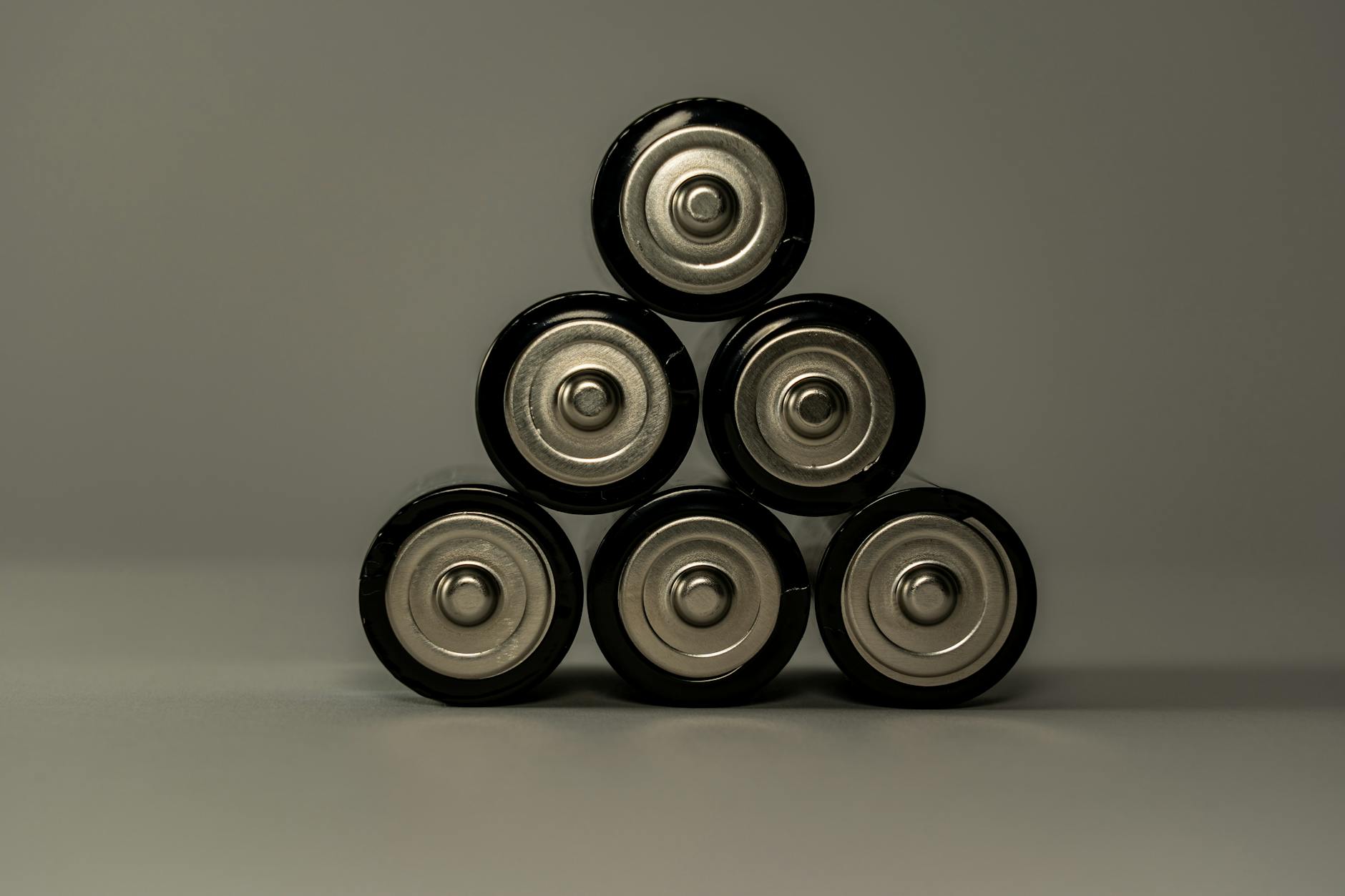
Buying a power bank in Kenya today means navigating a market flooded with options, and the difference between a genuinely reliable unit and a dangerous counterfeit often comes down to the battery cells inside. Most buyers focus on the printed capacity number on the packaging, but that figure tells you almost nothing without knowing whether the cells backing it up are A-grade or recycled rejects. Understanding how to identify fake power bank cells from genuine ones protects your devices, your money, and in some cases your safety.
This article is part of our complete guide: Power Banks Best Prices.
How To Identify Fake Power Bank: Why Battery Grade Matters More Than Capacity
A-grade batteries are cells that have passed strict quality control for consistent capacity, internal resistance, and cycle endurance. They hold their stated capacity reliably through hundreds of charge cycles, meaning the power bank you buy today still performs close to spec a year from now. Counterfeit cells, by contrast, often lose 30 percent or more of their usable capacity within a few weeks of regular use. That rapid degradation is not a flaw you can spot at the point of purchase, which is exactly what makes it so costly. The real lifespan of any power bank is determined by battery grade, not the number printed on the box.
Poor-quality cells also create safety risks that go beyond simple inconvenience. Counterfeit lithium cells lack the internal chemistry controls that prevent thermal runaway, which is the chain reaction that leads to overheating and, in severe cases, fires. A genuine A-grade battery power bank in Kenya will warm slightly during a charge cycle but stay within a safe temperature range. Fake cells can run dangerously hot even during normal use, damaging connected phones and creating a real hazard in a bag or pocket. Choosing by grade rather than by price is not overcaution; it is straightforward risk management.
Physical Inspection: What Genuine A-Grade Batteries Look Like
When you open a power bank or examine loose cells, the first thing to check is the label printed on each cylindrical or pouch cell. A-grade batteries carry clear, permanent printing with sharp edges, consistent ink density, and no smudging even when you press a fingernail lightly across the text. Counterfeit cells are often relabeled recycled stock, so the printing tends to smear, peel, or show ghost impressions from the original text underneath. The font spacing on fake labels is frequently uneven because the relabeling is done with low-cost printers in small batches. Crisp, unsmudged labeling is one of the fastest physical signals of a genuine cell.
The outer wrap on each cell is another reliable indicator of quality. Genuine A-grade cells have a wrap that fits tightly, lies flat, and resists tearing when you apply light pressure with a fingertip. Counterfeit cells use thin, low-grade wrapping that creases easily and begins to lift at the edges after minimal handling. On multi-cell units, check that each cell is the same physical size and weight, because A-grade suppliers match cells carefully to ensure balanced charging. Uneven solder points at the battery terminals, with visible drips or irregular joins, are a clear sign that the assembly was done without the quality controls applied to certified products.
Performance Tests You Can Do Immediately
You do not need specialized equipment to run a basic performance check on a power bank. Start by charging the unit from zero to full and timing how long it takes against the manufacturer's specification. A-grade cells charge at the rate the specification states, within a reasonable margin, while counterfeit cells often charge erratically, stalling at certain percentages or taking significantly longer than claimed. A unit that claims a 50,000mAh capacity but charges in the same time as a genuine 20,000mAh unit is almost certainly misrepresenting its cell grade. Timing the charge cycle costs you nothing and reveals a lot.
Temperature monitoring during charging is equally straightforward. Rest your hand on the power bank about 20 minutes into a charging session and note whether it feels warm or genuinely hot. Genuine cells produce mild warmth as a normal byproduct of the electrochemical process, but a unit that becomes uncomfortable to hold is showing signs of poor cell quality or inadequate protection circuitry. If you have a basic multimeter, connect it across the output terminals under load and watch the voltage reading. Counterfeit cells show voltage that dips sharply under load because their internal resistance is much higher than specified, while A-grade cells maintain a stable output voltage throughout the discharge curve.
How Certifications and Packaging Signal Battery Quality
CE, FCC, and RoHS certification marks are not just decorative logos; each one represents a testing process tied to traceable batch documentation. On genuine units, these marks appear alongside a batch or model code that you can cross-reference with the manufacturer's records or publicly listed specifications. Counterfeit units reproduce the logos visually but omit or invent the batch codes, because there are no actual test records to reference. Holding the packaging under good light and checking whether the certification marks include a legible accompanying code is a quick filter. Marks without codes, or codes that return no results when searched, are a reliable sign of a fake.
Packaging quality itself carries information. Genuine A-grade power banks are packaged with consistent print registration, meaning logos and text align precisely across all panels because they are printed industrially in large runs. Counterfeit packaging is typically printed in smaller quantities on lower-quality equipment, resulting in blurry graphics, text that drifts at the edges, or outright spelling errors in the product description. Warranty cards included with quality products are printed on heavier card stock and carry serial numbers that match the unit inside the box. Hologram stickers on certified brands use multi-layer optical effects that are expensive to replicate accurately, so faded or flat-looking holograms are worth taking seriously as a warning.
Where to Buy A-Grade Batteries and Avoid Counterfeits
Authorized retailers who specialize in power banks and phone accessories carry a different level of accountability than general marketplace sellers. They source stock from verified suppliers, test units before they go on the shelf, and back their claims with a one-year warranty because they are confident in the battery grade they are selling. A warranty is not just a customer service gesture; it is a financial commitment that no seller would make on counterfeit stock they expect to fail quickly. When a seller cannot offer a warranty or hedges around the terms, that reluctance communicates something real about their confidence in the cells inside the unit.
Marketplace platforms are not inherently unsafe, but they aggregate sellers with very different supply chains, and many of those sellers do not know the origin of the cells in the units they list. Asking a seller directly for the battery brand, model number, and origin documentation is a straightforward way to filter out unknowing counterfeit resellers. Most legitimate suppliers of A-grade cells provide traceability documentation as a standard part of their wholesale relationship. If you are in Nairobi, you are welcome to visit our Mountain Mall showroom on Thika Road, where you can inspect cells, review certification documents, and charge a device in-store before making a purchase. Buying in person from a specialist removes almost all of the guesswork that comes with ordering blind.
Red Flags That Indicate Counterfeit Batteries
Price is the most consistent signal in the counterfeit power bank market. A genuine A-grade battery power bank in Kenya is priced to reflect the cost of quality cells, tested protection circuits, and certification compliance, and that floor exists for real manufacturing reasons. Units selling at 40 to 60 percent below the typical market price for the same stated capacity are almost certainly using lower-grade or recycled cells, because the math on genuine components does not allow for that kind of discount. Unusually low prices do not represent a good deal; they represent a different, lower-quality product sold under the same capacity claim. Treating price as an indicator of cell quality rather than seller generosity will save you money over time.
Sellers who cannot specify the battery brand, model number, or country of cell origin are giving you important information through that silence. A seller who knows their supply chain can answer those questions immediately, because that information is on the documentation they received when they bought the stock. Rapid capacity loss within the first few days of use, or a unit that becomes hot during a standard phone charge, are performance red flags that become visible quickly after purchase. Missing certification marks, damaged serial number stickers, or serial numbers that do not match the documentation inside the box are physical red flags you can check before you even power the unit on. Learning how to identify fake power bank units through these signals is a skill that pays for itself the first time it saves you from a bad purchase.
If you take one thing away from this guide, let it be that battery grade is the specification that actually determines whether a power bank earns its place in your bag over the long term. The printed capacity number, the design of the casing, and the price tag are all secondary to the quality of the cells inside. At powerbanks.africa, every unit we stock carries A-grade cells, CE, FCC, and RoHS certification, and a one-year warranty because we want the products we sell to still be working reliably well past the first few months. Shop online through our store or come see us in person at Mountain Mall on Thika Road in Nairobi, and we will walk you through the specifications on any unit you are considering.
See everything powerbanks.africa can do for you.
Visit powerbanks.africa →