Monocrystalline vs Polycrystalline Solar Panels in Kenya
This post compares monocrystalline and polycrystalline solar panels on efficiency, cost, and performance in Kenya's equatorial climate so you can choose the right technology before spending your money. You will leave with a clear picture of which panel type suits your budget and location. Knowing your options puts you in a stronger position to invest in reliable power for your home or business.
See everything powerbanks.africa can do for you.
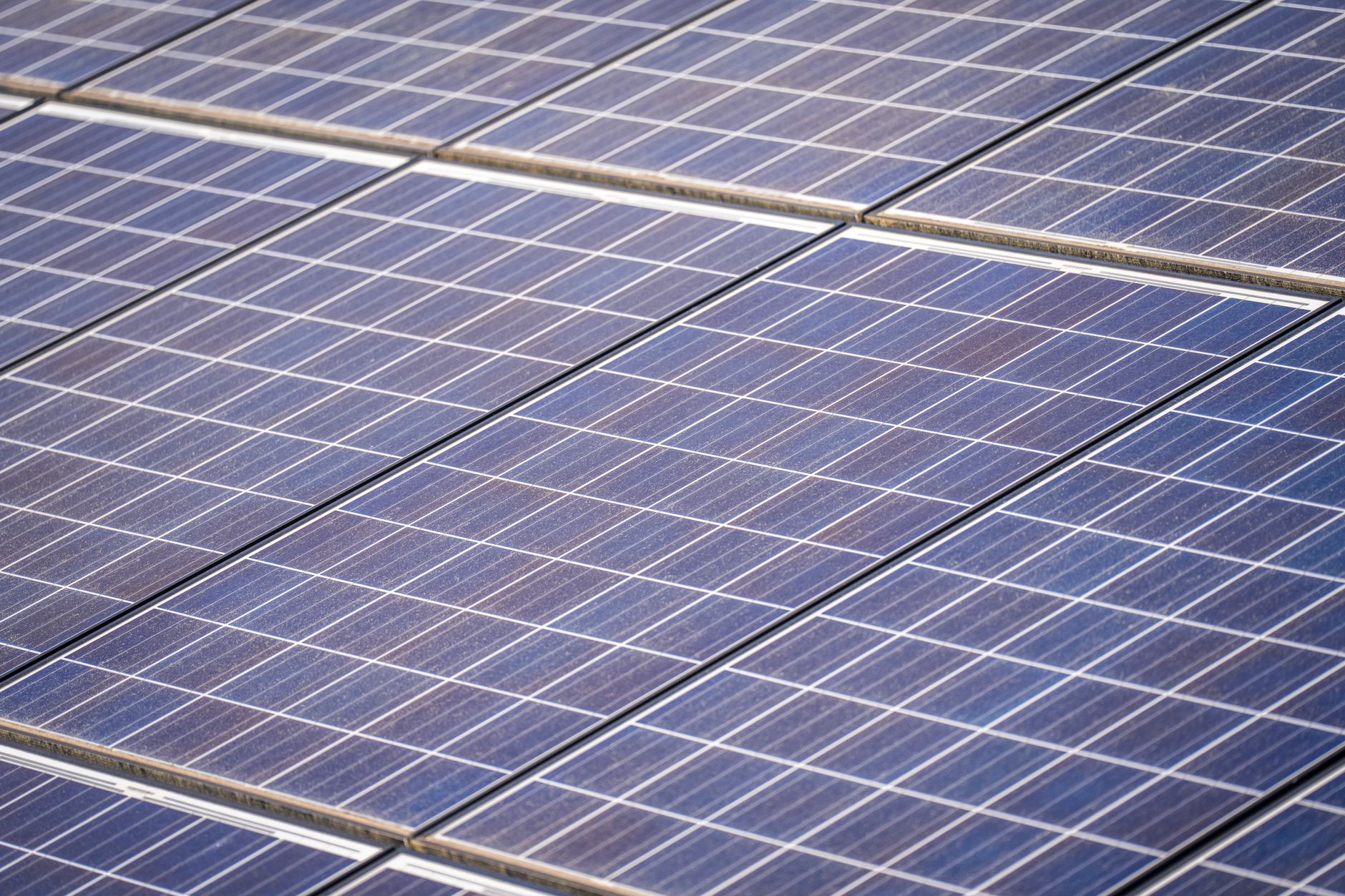
If you are trying to decide between solar panel technologies for your Kenyan home or business, the choice between monocrystalline and polycrystalline options is one of the most important decisions you will make before spending a single shilling. The monocrystalline vs polycrystalline solar panel Kenya debate comes up constantly among buyers in Nairobi, Mombasa, Kisumu and smaller towns across the country, and for good reason: the two technologies look similar on a rooftop but behave quite differently over decades of use. Kenya sits almost exactly on the equator, which means your panels will face intense, consistent solar radiation for most of the year, and that context changes how the efficiency numbers translate into real electricity. When you are researching Solar Panels Best Prices, you will notice that monocrystalline panels tend to sit at the higher end of the price range while polycrystalline panels attract buyers watching their budgets closely. This post walks through the key differences in technology, efficiency, cost, climate performance and long-term reliability so you can make a confident, informed choice for your specific situation.
Understanding the Two Solar Panel Technologies
Monocrystalline solar panels are made from a single, continuous silicon crystal, grown slowly in a process called the Czochralski method, which produces a cylindrical ingot that is then sliced into thin wafers. Because the silicon structure is uniform throughout, electrons move through the material with very little resistance, which is the fundamental reason these panels are more efficient at converting sunlight into electricity. You can identify them by their dark black or very dark blue colour and the distinctive rounded corners on each cell, which result from cutting the circular wafer into a more rectangular shape. Manufacturers investing in this process use higher-grade silicon and tighter quality controls, so the finished panels tend to come with stronger performance guarantees. The single-crystal structure is at the heart of every efficiency and durability advantage that monocrystalline panels claim over their alternatives.
Polycrystalline solar panels, on the other hand, are made by melting multiple silicon fragments together and pouring the molten material into square moulds to cool. The cooling process allows many small silicon crystals to form simultaneously in different orientations, which gives the finished cells their distinctive speckled, bright blue appearance. Because those crystal boundaries are points where electron movement is interrupted, the panels are inherently less efficient than their monocrystalline counterparts. The manufacturing process is less energy-intensive and generates less silicon waste, which is one of the reasons polycrystalline panels have historically been cheaper to produce and purchase. Understanding this physical difference in crystal structure helps explain nearly every practical difference you will encounter when comparing the two technologies side by side.
The crystal structure matters enormously for a solar investment in Kenya because the country's climate puts panels under sustained and intense solar radiation for long periods, meaning small differences in efficiency compound significantly over a 25-year lifespan. A panel that converts sunlight more effectively will generate meaningfully more kilowatt-hours per year from the same roof space, and over two decades that adds up to thousands of extra units of electricity. Warranty coverage and performance guarantees are also tied to the manufacturing quality that the crystal structure reflects, so a more uniform material tends to come with stronger long-term promises. When you factor in the cost of installation, inverters and cabling, the panel technology you choose at the start sets the ceiling for everything your system can achieve. Taking time to understand these differences before you buy is not overthinking the process; it is simply being a careful investor.
Efficiency Comparison: Monocrystalline vs Polycrystalline Solar Panel Kenya
Monocrystalline panels from reputable manufacturers typically convert between 18 and 22 percent of incoming sunlight into usable electricity, with premium models from leading brands reaching the upper end of that range. That figure, called the panel efficiency rating, determines how much power you can generate from a given area of roof space, which is a critical number when rooftop real estate is limited. A 400-watt monocrystalline panel will occupy less physical space than a polycrystalline panel of the same wattage, which matters on smaller townhouse or bungalow rooftops common in Nairobi's residential estates. Because the monocrystalline vs polycrystalline solar panel Kenya question is so often about getting the most from limited space, this efficiency gap is frequently the deciding factor for urban buyers. Higher efficiency also means fewer panels are needed to hit your target energy output, which can reduce structural load on older rooftops.
Polycrystalline panels generally achieve efficiency ratings between 15 and 17 percent, which is a meaningful gap when you are calculating how many panels you need to power a household or small business. A lower efficiency rating means you need more panels to produce the same amount of electricity, and more panels mean more mounting hardware, more cabling and more roof space consumed. For a buyer in a rural area with a large roof and plenty of space, this trade-off is often acceptable because the lower unit cost of polycrystalline panels can offset the need for a slightly larger array. The efficiency difference is real but it is not insurmountable, especially when the alternative is paying a significant premium for monocrystalline panels that your budget cannot comfortably absorb. Knowing the efficiency range for each type allows you to calculate the panel count you need and compare total system costs honestly.
Kenya's position on the equator means the country receives an average of five to six peak sun hours per day across most regions, which is genuinely excellent by global standards and amplifies the importance of efficiency differences between panel types. A panel producing 20 percent efficiency in six hours of strong equatorial sun generates noticeably more electricity than a 16 percent efficient panel over the same period, and that difference repeats every single day of the year. During Kenya's dry seasons, when clear skies are consistent from Mombasa to Eldoret, both panel types perform close to their rated output, and this is when higher efficiency panels show their advantage most clearly. In low-light conditions, such as overcast mornings or the grey periods during the long and short rains, monocrystalline panels maintain a stronger performance edge because their uniform crystal structure handles diffuse light better. Total annual energy production, not just the peak efficiency rating, should be the number you focus on when comparing quotes from solar suppliers.
Cost Breakdown and Your Budget in Kenya
Monocrystalline panels typically cost between 20 and 30 percent more per watt than equivalent polycrystalline panels at the point of purchase, and this premium reflects the higher-quality silicon and more complex manufacturing process behind them. In Kenya's current market, that translates to a meaningful difference in the total cost of a solar installation, particularly for systems sized at three kilowatts and above that are common for middle-income households. However, the per-panel cost is only one part of the full system price, and it is important to calculate the total investment including inverters, deep-cycle batteries, mounting structures and professional installation labour. When you compare total system costs rather than panel prices alone, the gap between the two technologies sometimes narrows, because a smaller number of higher-efficiency monocrystalline panels can achieve the same output with less supporting hardware. Getting itemised quotes that break out each component cost is the most reliable way to compare both approaches on a like-for-like basis.
Researching Solar Panels Best Prices across Nairobi, Eldoret and other Kenyan towns reveals that regional availability affects pricing as much as panel technology does. Panels sourced directly from established distributors in Industrial Area or along Mombasa Road in Nairobi tend to be priced more competitively than those bought from secondary markets in smaller towns where supply chains add cost. Price trends over the past five years have generally moved in favour of the buyer, with both panel types becoming more affordable as import volumes into Kenya have increased and more local distributors have entered the market. The payback period for a monocrystalline system in Kenya, given the country's strong solar resource, can be as short as four to six years for a well-sized installation, while polycrystalline systems may pay back slightly faster because of their lower upfront cost even though they generate marginally less over time. Mapping out a ten-year and twenty-five-year energy production estimate for each option, using your local utility tariff and typical sun hours, gives you a clearer picture than comparing sticker prices alone.
Temperature Performance and Kenya's Climate
Both monocrystalline and polycrystalline solar panels lose efficiency as temperature rises above 25 degrees Celsius, a property described by the panel's temperature coefficient rating, but monocrystalline panels generally handle high temperatures slightly better than polycrystalline models. Temperature coefficients are expressed as a percentage of power loss per degree Celsius above the standard test condition, and a typical monocrystalline panel might show a coefficient of around negative 0.35 percent per degree, while a polycrystalline panel often runs closer to negative 0.40 percent. In a coastal city like Mombasa where ambient temperatures regularly exceed 30 degrees Celsius and rooftop temperatures can reach 60 degrees or more, this difference compounds across a full year of operation. Nairobi's altitude of around 1,700 metres above sea level moderates temperatures and creates conditions that are kinder to both panel types compared to the coast, which is one reason highland installations often outperform the same system installed at sea level. Choosing a panel with a lower temperature coefficient is a practical way to protect your annual energy yield in Kenya's warmer regions.
Dust accumulation is a climate-related factor that affects both panel types equally but deserves specific attention in Kenya's dry inland regions and areas with sandy soils, such as parts of the Rift Valley and Northern Kenya. A layer of fine dust on panel glass reduces the amount of sunlight reaching the cells and can cut output by ten to twenty percent if panels are left uncleaned during dry months. Monocrystalline panels and polycrystalline panels have the same glass surface and respond to cleaning in the same way, so neither technology has an inherent advantage here. What matters more is the mounting angle, because panels tilted at Kenya's latitude angle of roughly one to five degrees shed dust more readily with light rainfall than flat-mounted panels. Scheduling a simple clean with a soft cloth and water every one to two months during dry seasons keeps both panel types operating close to their rated output.
Durability, Warranty and Long-Term Reliability
Monocrystalline panels from quality manufacturers typically degrade at a rate of around 0.5 percent per year, meaning that after 25 years a well-made panel still produces around 87 percent of its original rated power. Polycrystalline panels degrade slightly faster, at approximately 0.8 percent per year, which means after 25 years you might expect around 80 percent of original output, a difference that becomes significant when you are calculating the return on a large investment. Standard performance warranties in the solar industry typically guarantee that panels will produce at least 80 percent of rated output after 25 years, and this figure is where the two technologies often diverge in what the warranty actually covers. Reading the warranty document carefully, particularly the sections about annual degradation limits and what the manufacturer will do if a panel underperforms, is as important as comparing the price per watt. A warranty is only as strong as the manufacturer's ability to honour it, so buying from brands with established presence and genuine after-sales support in Kenya matters considerably.
Kenya's coastal humidity near Mombasa and Lamu introduces the risk of potential-induced degradation and moisture ingress over time, while the drier conditions in Nairobi and the highland regions create a different set of stress conditions driven by temperature cycling between warm days and cool nights. Both panel types are vulnerable to these stresses if they are manufactured with low-grade encapsulants or inadequate frame seals, which is why buying panels with credible certifications such as IEC 61215 testing standards is more important than the monocrystalline versus polycrystalline distinction alone. Maintenance for both types is straightforward: periodic cleaning, checking mounting hardware for corrosion and inspecting cable connections for signs of heat damage or rodent interference. Neither technology requires specialist maintenance beyond what a competent local solar technician can provide, which makes ongoing service costs roughly comparable. Choosing a supplier who can provide genuine local after-sales support is arguably more important than which panel type you select.
Which Panel Type Fits Your Kenya Solar Investment
Monocrystalline panels are the stronger choice when your available roof space is limited, because their higher efficiency means you achieve your target energy output with fewer, more compact panels. A two-bedroom house in Nairobi's South B or Buruburu estates with a modest roof section, or a commercial building with equipment or skylights occupying much of the available area, is exactly the situation where paying the monocrystalline premium makes economic sense. If your energy target is three kilowatts and your roof can comfortably fit seven panels but not ten, monocrystalline panels may be the only technology that can meet your goal within that physical constraint. The higher upfront cost is offset by the fact that you need fewer panels, less mounting hardware and less cabling to achieve the same installed capacity. Thinking about your energy target in kilowatt-hours per day, not just kilowatts of installed capacity, is the most practical way to frame this conversation with your installer.
Polycrystalline panels make excellent sense for buyers who have generous roof space, tighter budgets and are primarily focused on getting a reliable system into operation at the lowest possible entry cost. A rural homestead in Murang'a or a small school in Kajiado with a large corrugated iron roof has room to accommodate the additional panels that polycrystalline efficiency levels require, and the cost savings at the point of purchase can be redirected toward a larger battery bank or a better quality inverter. When assessing your own situation, start by calculating your average daily electricity consumption in kilowatt-hours, then map out your usable roof area facing south or south-west and estimate the sunlight hours you receive in your specific location. Your answers to those three questions will tell you whether space constraints push you toward monocrystalline panels or whether a polycrystalline array is comfortably achievable on your roof. Before finalising any decision, ask your solar installer specifically about the local availability of spare parts, the brand's service network in Kenya and the realistic timeline for warranty claims, because these practical factors shape your experience long after the installation day is behind you.
The most important takeaway from comparing monocrystalline and polycrystalline solar panel options in Kenya is that neither technology is universally better; the right choice depends on your roof space, your budget, your location and your energy goals. Kenya's strong equatorial sunshine is genuinely one of the best solar resources in the world, and both panel types will serve you well when sourced from reputable manufacturers and installed correctly by qualified professionals. Monocrystalline panels reward buyers who are optimising for efficiency in tight spaces or who want the slowest possible degradation over a long investment horizon, while polycrystalline panels remain a practical and cost-effective route to solar independence for buyers with more flexibility. Whichever technology you choose, prioritise certifications, warranty documentation and the after-sales capability of your supplier over headline price alone, because a solar array is a 25-year commitment. Taking the time to compare both options carefully now, using the framework this post has provided, is the step that separates a satisfying long-term investment from one that disappoints within the first few years.
See everything powerbanks.africa can do for you.
Visit powerbanks.africa →