Off-Grid Solar Panels Kenya: Essential Components and Realistic Costs
Rural homes in counties like Turkana or Marsabit sometimes wait years for a grid connection that never arrives, and small businesses in peri-urban areas lose full days of revenue to blackouts. An off-grid solar system removes that dependence entirely, but it costs more and needs more planning than most guides admit. Knowing the real component list and honest price ranges lets you budget with confidence before you commit a single shilling.
See everything powerbanks.africa can do for you.
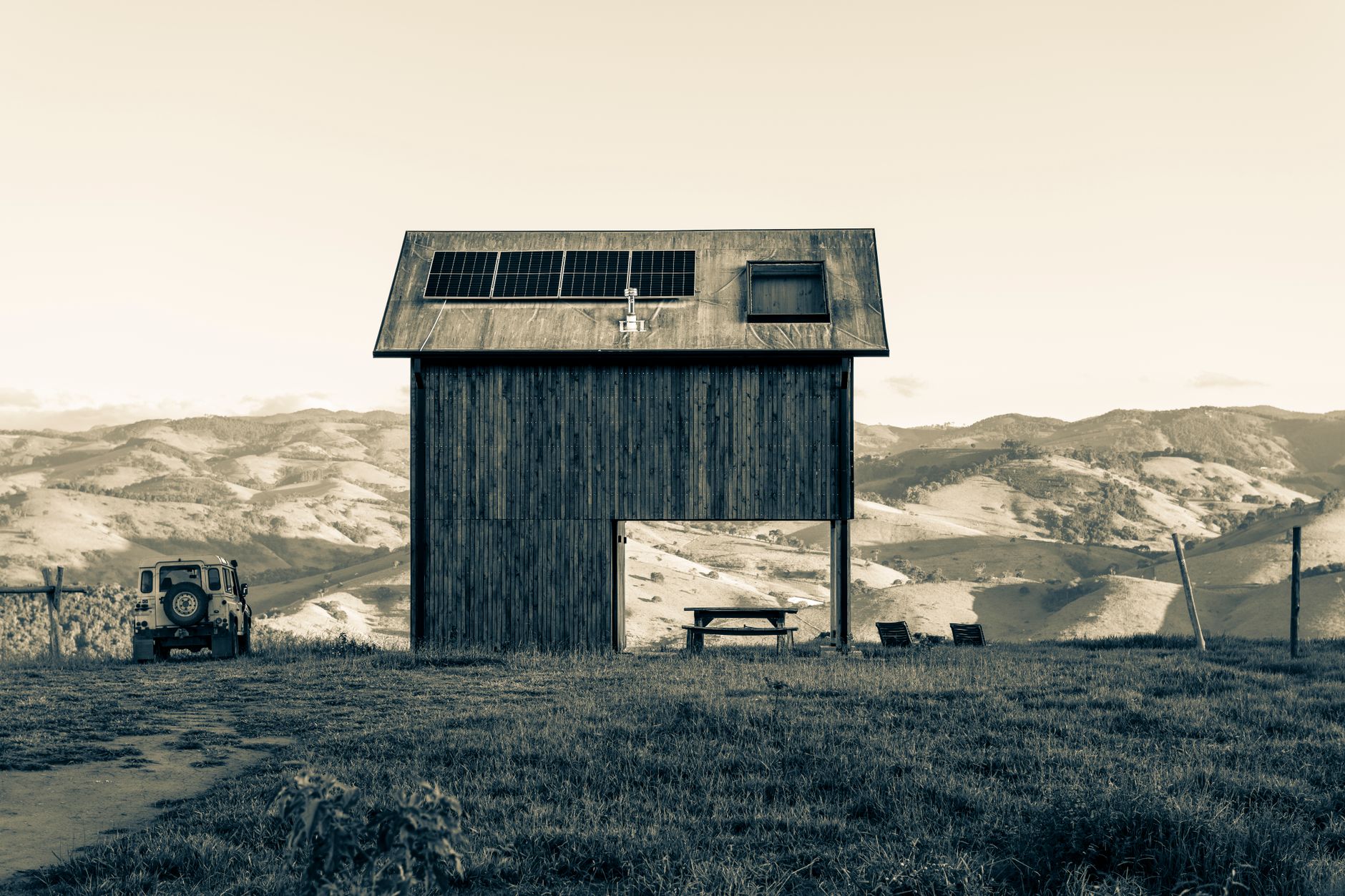
If you have been researching off-grid solar panels Kenya options, you already know that Kenya's power situation varies enormously depending on where you live and run your business. Rural homeowners in counties like Turkana, Marsabit, or the hilly parts of Kisii often wait years for grid connections that may never arrive, while small business owners in peri-urban areas deal with blackouts that can wipe out a full day's revenue. An off-grid solar system removes your dependence on the national grid entirely, which sounds appealing until you realise it involves more planning and more money than many first-time buyers expect. Before committing to anything, it helps to understand exactly what components you need, what each of them costs in Kenya right now, and whether the investment actually makes sense for your specific situation. This guide gives you that honest picture, and if you want to explore panel options and pricing alongside it, the Solar Panels Best Prices pillar on this site covers the broader market in detail.
What Off-Grid Solar Panels Kenya Systems Actually Require
Solar panels are the part everyone talks about, but they are only one piece of a four-component system that must work together for your home or business to run reliably off the grid. The panels themselves capture sunlight and convert it into direct current electricity, but without somewhere to store that electricity, you would only have power during daylight hours on sunny days. A battery bank fills that gap, holding energy generated during the day so you can run appliances through the night or during overcast stretches that are common in highland areas and along the coast during the long rains. An inverter then takes the direct current stored in those batteries and converts it into the alternating current that your television, refrigerator, phone charger, and other household appliances actually use. Finally, a charge controller sits between the panels and the battery bank, managing the flow of power so that batteries receive a steady, safe charge without being pushed past their capacity and damaged prematurely. Miss any one of these four components and the whole system either fails to function or degrades far faster than it should.
How Each Component Works Together
When sunlight hits your panels, electricity flows through the charge controller first, which regulates voltage and current before directing power into the battery bank. The batteries store that energy as direct current until something in your home or business demands power, at which point the inverter converts it into usable alternating current. This chain happens continuously throughout the day, and on a well-designed system you rarely notice it because the transition between panel generation and battery draw is seamless. The reason so many off-grid systems underperform is that buyers purchase good panels but pair them with undersized batteries or a cheap charge controller that cannot handle the load, breaking the chain at its weakest link. Every component needs to be rated to match every other component, which is why system design matters as much as component quality.
Choosing Component Quality Over Price Alone
A-grade battery cells with built-in multi-protection circuits guard against the most common failure modes, including overcharging, deep discharge, overheating, and short circuits that can destroy a battery bank within months if left unchecked. Inverters and charge controllers that carry CE, FCC, or RoHS certification have passed standardised safety and performance tests, which matters because substandard units can damage connected appliances or create fire risks in remote settings where qualified electricians are hours away. Monocrystalline panels from recognised brands hold their rated output more consistently over time than lower-tier alternatives, which tend to underperform within a few seasons of use. The market in Nairobi, Mombasa, and Kisumu has a wide mix of genuine and counterfeit components, so always ask for documentation and purchase from a supplier who can show you warranty terms in writing. The few shillings you save buying uncertified components rarely survive contact with the first equipment failure.
Breaking Down the Real Costs
Solar panels themselves typically cost between 40,000 and 80,000 Kenyan shillings per kilowatt of capacity, depending on whether you choose monocrystalline panels from a recognised brand or lower-tier alternatives. The figure sounds manageable until you realise that a modest rural household often needs three to five kilowatts of panel capacity, which puts just the panels at 120,000 to 400,000 shillings before anything else is purchased. Battery banks represent the single largest line item in most off-grid budgets, commonly ranging from 150,000 to 400,000 shillings for a system with enough storage to keep a household running for two to three sunless days. Lithium iron phosphate batteries sit at the higher end of that range but last two to three times longer than flooded lead-acid alternatives, which is worth factoring into your long-term calculation. Inverters add another 30,000 to 100,000 shillings, with pure sine wave models at the upper end being essential if you plan to run sensitive electronics like laptops, televisions, or medical equipment. Charge controllers, mounting hardware, wiring, and installation labour combine to push total project costs to somewhere between 400,000 and 800,000 shillings for a properly sized household system.
Understanding Battery Costs More Closely
Battery storage is the budget line that surprises buyers most often because the numbers seem high until you compare them against years of generator fuel or the cost of lost business during blackouts. A flooded lead-acid battery bank adequate for a small home might cost 150,000 shillings upfront but need full replacement in four to six years, meaning you could spend that amount two or three times over the life of the system. Lithium iron phosphate alternatives running at 300,000 to 400,000 shillings often last 10 to 15 years with proper care, which changes the long-term arithmetic considerably. The battery bank also needs to be housed in a ventilated, shaded location to prevent heat-related degradation that shortens operational life even in otherwise well-designed systems. Monthly checks on battery terminals for corrosion and ensuring proper ventilation are small habits that protect a very large investment.
What Installation Labour Actually Costs
Professional installation in Kenya typically adds 30,000 to 80,000 shillings to a project, depending on roof complexity, the distance between components, and whether conduit work is required for safety compliance. Buyers who try to cut this cost by using an unqualified fundi often spend more fixing mistakes later, particularly when wiring errors cause inverter failures or create safety hazards. A qualified installer will also confirm that your roof structure can safely carry the panel weight, which matters on older iron-sheet roofs common in rural Kenya. Labour costs in Nairobi tend to run higher than in secondary towns, but the quality of certified installers in those towns varies considerably, so asking for referrals from previous clients is worth the extra effort. Always get a written scope of work before installation begins so there are no disputes about what the quoted price includes.
Calculating Your System Size
Getting the sizing right is the step that most buyers rush, and underpowered systems are the most common reason off-grid setups disappoint their owners within the first year. Begin by listing every electrical appliance you use on a typical day, noting the wattage printed on its label and estimating how many hours per day you run it, then add those figures together to arrive at your daily kilowatt-hour consumption. A rural household running a few lights, a small refrigerator, a television, and phone chargers typically consumes between 5 and 10 kilowatt-hours daily, while a small business with a water pump, power tools, or a freezer can easily need 15 to 30 kilowatt-hours. Your battery bank needs to hold at least two to three days of that consumption to carry you through cloudy stretches without running out of power, which is why battery sizing almost always surprises buyers with how large and expensive it gets. Panel capacity should be set at roughly one and a half times your daily energy needs to account for degradation over years, efficiency drops during partial cloud cover, and the likelihood that your consumption will grow over time. A qualified solar installer who visits your site, measures roof orientation, and checks local historical sunlight data will give you a far more accurate design than any online calculator can.
Accounting for Future Growth
One mistake buyers make when sizing a system is calculating for their current appliances without leaving any headroom for growth. A family that starts with basic lighting and phone charging in year one often adds a television in year two and a small refrigerator in year three, and a system sized only for the original load cannot absorb that growth without constant battery depletion. The practical approach is to size your inverter and charge controller for roughly 30 percent more capacity than you currently need, since those components are harder and more expensive to upgrade later than the battery bank or panel array. Panel capacity can be expanded more easily if your mounting system has open space and your charge controller supports a higher input, so ask about expandability when you are reviewing quotes. Planning for growth at the design stage costs relatively little compared to what a full system redesign costs two years after installation.
Is Off-Grid Solar Right for Your Situation
Off-grid solar is not the best answer for every Kenyan household or business, and being honest about that saves buyers from expensive regrets. If you live or operate in an area where Kenya Power already provides reliable electricity at a reasonable connection cost, staying on the grid and perhaps adding a small backup system is almost always cheaper than going fully off-grid. The cases where off-grid solar clearly wins are remote rural areas where the nearest grid transformer is several kilometres away and the cost of extending the line would run into hundreds of thousands of shillings on its own. Coastal regions from Lamu down to Kwale and high-plateau areas in Laikipia or Nyandarua receive consistent sunlight year-round, making panel output predictable and systems more efficient than they would be in persistently cloudy highland zones. Small businesses like posho mills, phone-charging kiosks, and poultry farms in off-grid areas often see payback within five to eight years because they eliminate generator fuel costs entirely while gaining more reliable power. The honest answer is that off-grid solar is a long-term infrastructure investment, not a quick fix, and it rewards those who size it correctly and maintain it properly.
Maintenance Habits That Protect Long-Term Value
Cleaning your panels thoroughly every two to three months removes dust, bird droppings, and mould that can cut output by 15 to 25 percent even on otherwise sunny days. Checking battery terminals monthly for corrosion and ensuring that batteries are stored in a ventilated, shaded location prevents heat-related degradation that shortens operational life significantly. Inverters and charge controllers should be inspected visually every six months for signs of overheating, unusual smells, or loose wiring, since catching small problems early prevents expensive cascading failures. A logbook of monthly checks, panel cleaning dates, and any observed changes in performance gives you a clear record that helps a technician diagnose problems quickly if something does go wrong. Maintenance is not complicated, but it requires consistency, and the households that treat their solar systems like infrastructure rather than an appliance always get more years out of them.
Next Steps to Get Started
Starting an off-grid solar project well means doing the groundwork before you spend a single shilling on hardware. Spend two weeks tracking your actual appliance usage, writing down wattages and operating hours each day, so you arrive at a real daily kilowatt-hour figure rather than a guess. Hire a qualified solar installer to visit your site in person, because roof angle, shading from trees or buildings, and your specific county's average daily sunshine hours all affect what size system you genuinely need. Collect at least three quotes from different suppliers and use them to compare component brands, warranty terms, and installation timelines rather than choosing purely on price, since the cheapest quote often means the cheapest batteries. Reviewing Solar Panels Best Prices resources on this site alongside your quotes helps you understand what fair market rates look like so you can spot both overpriced and suspiciously cheap offers. Budget honestly for recurring costs, including panel cleaning, terminal checks, and eventual battery replacement every 10 to 15 years, so the system continues delivering value across its full operational life.
Getting an off-grid solar system right in Kenya is entirely achievable, but it rewards careful preparation over impulsive buying. The households and small businesses that thrive on off-grid power are the ones that sized their systems correctly from the start, chose certified components with real warranties, and committed to basic maintenance routines that most people find surprisingly simple once they understand what to look for. The upfront cost is real and substantial, but spread across 15 to 20 years of operation in an area with no reliable grid alternative, the numbers often make compelling sense. Rural communities across Kenya are already running schools, health clinics, and small manufacturing operations on well-designed off-grid systems, which shows what is possible when the investment is made thoughtfully. If you are serious about taking the next step, start with your appliance audit this week, reach out to a certified installer for a site visit, and use this site's pricing resources to make sure you are comparing options from an informed position.
See everything powerbanks.africa can do for you.
Visit powerbanks.africa →