Power Bank Charging Safety: What You Must Know
Learn critical charging practices to protect your devices and extend your power bank's lifespan with expert safety tips.
See everything powerbanks.africa can do for you.
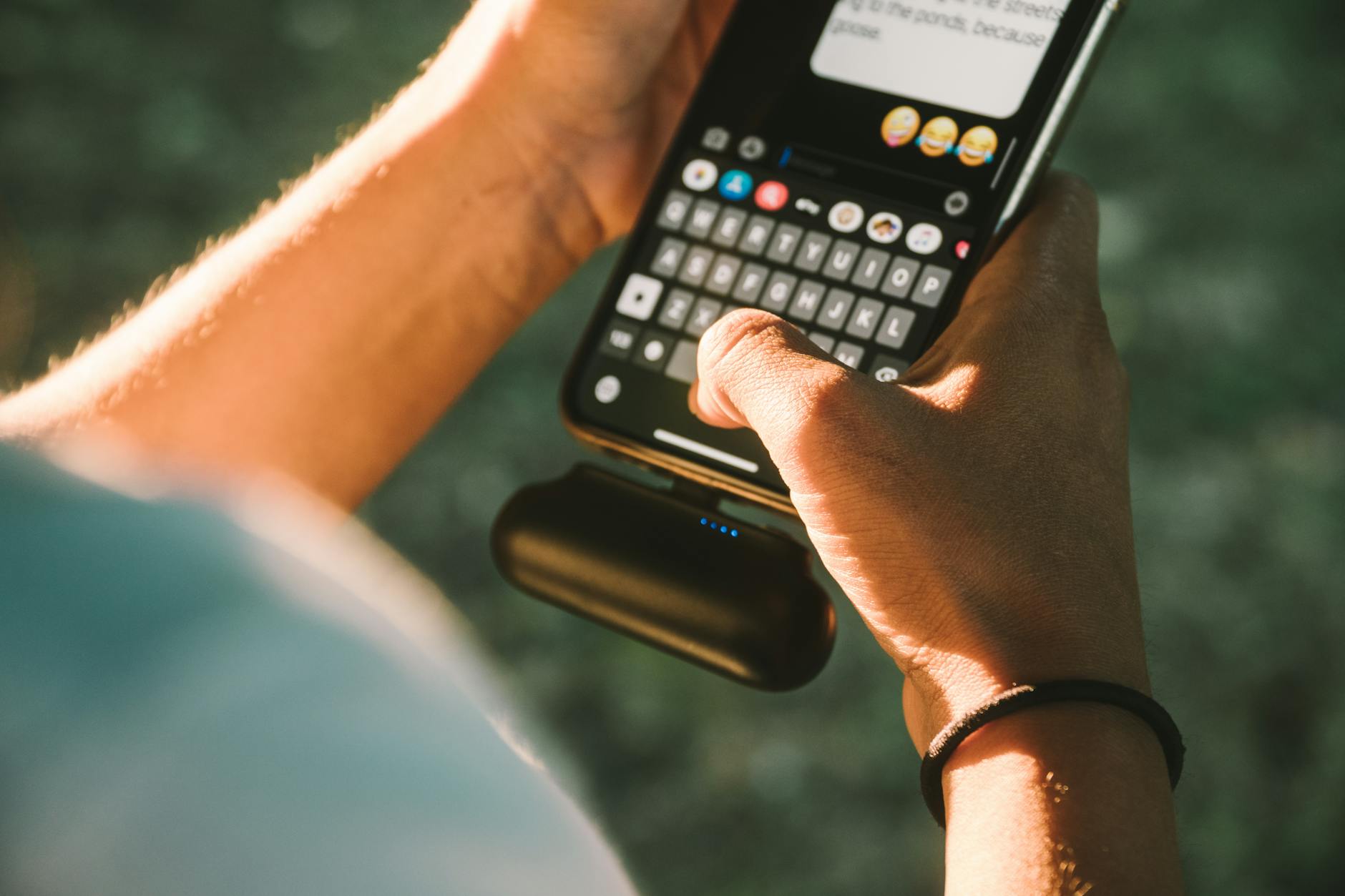
If you own a power bank, you already know how much you depend on it. But most people charge their power bank the same way they charge everything else, without much thought, and that single habit quietly shortens the life of what should be a multi-year investment. A few straightforward practices make a real difference, and understanding why they matter is the first step.
This article is part of our complete guide: Power Banks Best Prices.
Why Charging Method Matters More Than You Think
Every time you charge a power bank incorrectly, you create internal heat stress that wears down the battery cells faster than normal use ever would. Lithium-ion cells are sensitive to thermal fluctuation, and repeated stress from poor charging compresses the number of full charge cycles you get before capacity starts dropping noticeably. Wrong chargers are another hidden threat, because they can deliver inconsistent voltage that causes permanent capacity loss over time. A power bank rated at 50000mAh should still be performing close to that figure two years in, but improper voltage spikes can quietly shrink that number within months. Your charging habits also directly affect whether your warranty protection stays valid, since most manufacturers and retailers can tell when damage is usage-related rather than a manufacturing defect. Building good habits from day one is not about being overly cautious; it is about protecting something you paid real money for.
How Battery Chemistry Works Against You
Lithium-ion cells operate best within a narrow band of voltage and temperature, and every deviation outside that band causes microscopic damage that accumulates over hundreds of cycles. Think of it like bending a piece of metal repeatedly: each individual bend looks harmless, but the material eventually fatigues and fails. The battery management system built into your power bank is designed to catch many of these deviations, but it cannot compensate for a charger that is fundamentally wrong for the device. Most people never see this damage because it happens at the cell level, invisible until capacity has already noticeably dropped. Understanding this chemistry is not about becoming an electrical engineer; it is about recognising that the choices you make during every charging session carry real consequences for the device's lifespan.
The Right Charger and How to Spot a Safe One
The charger you use matters as much as the power bank itself. Always use the original charger that came with your device, or a certified alternative rated specifically for your power bank's input voltage and amperage. Avoid swapping chargers between different devices, because each power bank is engineered for a particular power specification, and a mismatch stresses the battery management system. If your power bank supports fast-charging input, confirm that your charger actually supports that standard rather than assuming any USB-C charger will do the job. Counterfeit chargers are a genuine problem in Nairobi's electronics market, and many of them deliver unstable power even when they physically fit the port. The safest move is to source your charger from a trustworthy retailer and check for CE, FCC, or RoHS certification markings, which indicate the product has passed basic electrical safety testing.
Spotting a Counterfeit Charger Before It Causes Damage
Counterfeit chargers often look convincing at first glance, but a few physical details give them away. Genuine chargers feel solid and carry clear certification markings that are printed cleanly rather than stamped unevenly or smudged. The weight of a charger is also a useful clue, because legitimate adapters contain more internal components and tend to be noticeably heavier than cheap imitations. If a charger runs hot within minutes of being plugged in, that heat is a signal that internal regulation is failing, not a sign the device is simply warming up during normal operation. Replacing a counterfeit charger before it damages your power bank is far less expensive than replacing the power bank itself, so treat this as a routine safety check rather than an optional one.
Temperature Control During Charging
Heat is a lithium battery's worst enemy, and Kenya's climate makes temperature management especially important for anyone using a power bank regularly. Never charge your power bank in direct sunlight or inside a parked vehicle, because ambient temperatures in those environments regularly exceed the safe operating range for lithium cells. If your power bank feels warm after a heavy discharge session, let it cool down for fifteen to twenty minutes before plugging it back in, because charging a warm battery pushes it into an already stressed state and accelerates internal degradation. Always charge in a well-ventilated area so that any heat the device generates during charging can dissipate freely rather than building up inside the casing. In Nairobi and other parts of Kenya where afternoons can be intensely hot, charging during the cooler evening hours is a practical habit that genuinely extends battery life over the long term. A power bank that runs noticeably hot during routine charging, rather than just slightly warm, is telling you something is wrong, and if the casing shows any bulging or discolouration near the ports, stop using the device immediately and contact your retailer.
Daily Habits and Transport Care
Small daily choices add up to a measurable difference in how long your power bank stays useful over its full lifespan. Leaving your device plugged in overnight is one of the most common mistakes, because lithium batteries are not designed to handle constant trickle current after reaching 100%, and doing this repeatedly stresses the cells. Disconnect your power bank once it is fully charged, even if that means setting a reminder on your phone. On the other side of the spectrum, try not to drain the battery completely before recharging; topping up when the charge reaches around 20% is much gentler on the cells than running it flat. If your power bank has two or more output ports, avoid charging multiple devices at once when doing so pushes the total draw close to the device's maximum output capacity, as this can cause it to run warm under sustained load. The most important rule of all is simple: if you notice unusual heat, an unusual smell, or a charger that feels hot to the touch, unplug everything immediately and assess before continuing.
Protecting Your Power Bank During Transport
A power bank spends a lot of time in bags, pockets, and backpacks, and physical handling matters as much as how you charge it. Loose metal objects like coins, keys, or other cables sharing the same pocket can press against the charging ports and cause minor short circuits that damage internal components. Carrying your power bank in a dedicated pouch or a padded compartment in your bag keeps the ports clean and the casing protected from scratches and pressure. Avoid dropping your device, because the internal cells can sustain damage from impact even when the casing looks intact afterward. If you travel frequently between towns in Kenya, be aware that road vibration over long journeys on rough surfaces can stress solder joints inside the device over time. A small investment in a protective case pays for itself quickly when it prevents the kind of physical damage that voids your warranty.
Storage, Seasonal Care, and Long-Term Maintenance
How you store your power bank during periods of low use has a bigger impact on long-term health than most people realise. Keep it in a cool, dry location away from direct sunlight and moisture, both of which degrade battery chemistry and the device's outer casing over time. Keep it away from loose metal objects like coins or keys, which can bridge the charging ports and cause a short circuit. If you are not planning to use the power bank for several weeks or months, do not store it at zero percent or at a full 100% charge; the sweet spot for long-term storage is between 40% and 60%, because this range keeps the cells in a balanced, low-stress state. If your power bank will sit unused for several months, plug it in for a top-up charge once a month to prevent the kind of deep discharge that can permanently reduce capacity or make the battery unresponsive to charging. A power bank that has been stored for an extended period may charge slowly or show an inaccurate capacity reading during the first cycle back, and a full charge and discharge cycle usually recalibrates the battery indicator to normal.
When Something Goes Wrong and What Our Warranty Covers
Even a quality power bank can develop a problem, and knowing how to respond quickly limits any risk or further damage. If your device becomes excessively hot during normal charging or discharging, stop using it immediately and move it away from flammable surfaces. Do not continue charging if you notice the power bank failing to hold a charge after a complete charge cycle, since that pattern often signals a cell problem that will not improve on its own. If these issues happen within your first year of ownership, reach out to us directly for warranty support, because our one-year warranty covers manufacturing defects and our team can help you determine whether your situation qualifies for a replacement or repair. One thing to avoid completely is opening or attempting to repair the device yourself, because doing so voids your warranty protection and, more importantly, introduces a real safety risk when dealing with pressurised lithium cells. Damage caused by using uncertified chargers, exposure to water, physical impacts, or attempted self-repair falls outside the warranty terms, so keeping your original purchase receipt and packaging makes any claim significantly smoother.
What to Do If Your Device Refuses to Charge After Storage
A power bank that will not respond to charging after a long period of storage is not always permanently damaged. Try a different certified charger before concluding the battery is at fault, since the issue is sometimes with the charger rather than the power bank itself. Allow a longer than usual charging time for the first session and do not interrupt it partway through, as deeply discharged cells can take time to accept an initial charge. If normal behaviour does not return after one or two full cycles, the cells may have dropped below the recovery threshold and a replacement could be necessary. Reach out to us and describe what you are experiencing; we would rather help you find out whether a warranty claim applies than have you go without support you may be entitled to.
Taking care of a power bank is not complicated, but it does require a small amount of consistent attention. The devices we stock at powerbanks.africa are built with A-grade batteries and multi-protection circuits precisely because we want them to last, and pairing that hardware quality with the right charging habits means you get the full value of your purchase. When in doubt, keep it cool, use the right charger, and reach out to us if something does not feel right.
See everything powerbanks.africa can do for you.
Visit powerbanks.africa →