Choosing a Power Bank Built for Kenya's Hot, Humid Climate
Learn what specifications and features protect your power bank in Kenya's heat and humidity, and avoid damage that leaves you stranded.
See everything powerbanks.africa can do for you.
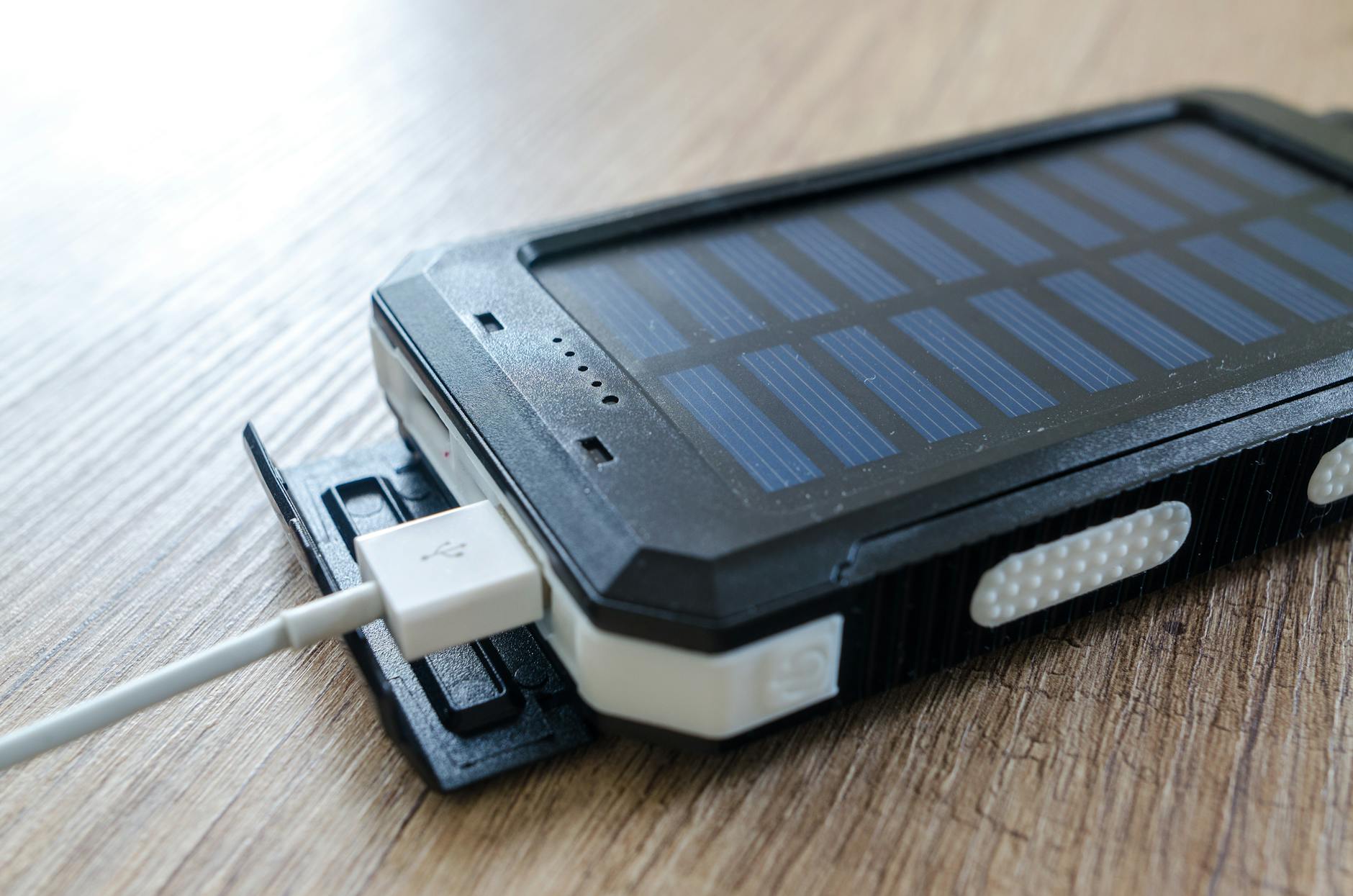
If you have ever watched a power bank swell, shut off unexpectedly, or simply stop holding a charge after a few months in the Kenyan heat, you are not alone. The combination of high temperatures, humidity, and dust that defines much of Kenya's climate is genuinely hard on lithium-ion batteries and the electronics around them. Choosing a power bank built to survive those conditions is not about paying more for a brand name; it is about understanding exactly which features and standards keep your device running reliably through every season.
This article is part of our complete guide: Power Banks Best Prices.
Best Power Bank For Hot Weather Kenya: Why Kenya's Climate is Tough on Power Banks
Kenya sits close to the equator, and even in Nairobi the daily temperatures can push well past 30°C during the dry season. High ambient heat accelerates the chemical reactions inside lithium-ion cells, causing them to lose capacity faster than the manufacturer's specifications suggest they would in a controlled lab setting. A power bank rated at 20000mAh in a temperate European warehouse may deliver noticeably less usable charge after six months sitting in a Nairobi shop bag on a matatu. That capacity fade is not a defect you can easily return; it is chemistry working against you. The first step to avoiding it is recognizing that temperature matters at every stage of ownership, from the moment you buy to the moment you store.
Humidity is the quieter threat. Moisture in the air finds its way into unsealed enclosures and settles on copper traces, solder joints, and connector pins inside the power bank. Over weeks and months, that moisture causes oxidation and corrosion, which raises electrical resistance and eventually causes connection failures or short circuits. Coastal towns like Mombasa and Malindi have relative humidity that regularly exceeds 80 percent, meaning any power bank without proper sealing is working against significant odds. Even inland areas experience humidity spikes during the long and short rains that can be equally damaging if the device is not well protected.
Dust and airborne particles are a third factor that many buyers overlook. In drier counties along the Rift Valley or in areas with murram roads, fine dust infiltrates charging ports and USB connectors, creating abrasion and blocking proper contact over time. Coastal areas carry salt particles in the air, and salt is especially corrosive to metal contacts and solder points. Temperature swings between cool nights and hot afternoons further stress battery cells by causing the materials inside to expand and contract repeatedly. That mechanical stress gradually weakens the cell structure and contributes to the swelling or leakage failures that make cheap power banks genuinely dangerous. Understanding all four of these climate factors helps you shop with a much sharper eye.
Temperature Protection: The First Line of Defense
The single most important internal feature to look for when shopping for the best power bank for hot weather Kenya is a built-in thermal management system. Quality power banks include temperature sensors that monitor internal cell temperature in real time and communicate that data to the protection circuit. Without a sensor, the circuit board has no way to know whether the battery is approaching a dangerous state until it is too late to prevent damage. With one, the device can react before a problem develops. That reactive capability is what separates a genuinely safe power bank from one that simply looks the part.
A-grade battery cells are directly linked to thermal stability. Manufacturers classify battery cells into grades based on their consistency, capacity accuracy, and performance under stress, and A-grade cells are produced to tighter tolerances than the B or C grade cells used in cheaper products. At temperatures of 35°C and above, which are common in parked vehicles or in bags left in direct sun across Kenya, A-grade cells maintain a more stable voltage output and degrade more slowly. That stability means you get the rated number of charge cycles, or close to it, rather than watching capacity disappear within the first year. The difference is most visible over time, not on the first day of use.
Multi-protection circuits work alongside good cells to prevent overheating during fast charging. When a device is charging at 18W or more, internal temperatures rise faster than during standard charging, and a protection circuit that monitors for overcharge, over-discharge, over-current, and short circuits simultaneously provides a meaningful safety margin. Power banks with these combined protections automatically throttle their output when internal temperatures rise beyond a set threshold. That throttling slows charging slightly but protects both the power bank and the connected device from heat damage. It is a design choice that prioritizes long-term reliability over the convenience of raw speed.
Casing and Sealing: Keep Moisture and Dust Out
The enclosure of a power bank is its first physical barrier against Kenya's humidity and dust. Reinforced plastic casings with tight seams and metal-shell designs offer substantially better resistance to moisture penetration than thin, single-mold plastic shells with visible gaps around the circuit board. You can often tell the difference by simply pressing the seams of the case; quality casings do not flex or separate under gentle pressure. Metal casings also dissipate heat more effectively than plastic, which complements good internal thermal management. The casing is not just cosmetic; it is a functional part of the power bank's climate defense.
Sealed or covered charging ports and cable entry points make a measurable difference in how long a power bank lasts in humid conditions. Open ports collect moisture through capillary action during rain or high-humidity periods, and that moisture sits against the metal connector pins long enough to cause corrosion. Power banks with built-in cables, such as the 50000mAh models with integrated charging cables available at powerbanks.africa, reduce the number of open ports on the device because the cable is already part of the enclosure. Fewer exposed openings mean fewer entry points for water and dust. That design choice has practical value beyond simple convenience.
Raised or recessed port designs offer additional protection by keeping connector openings away from flat surfaces where water pools. When a power bank sits on a wet matatu seat or a damp table surface, a recessed port sits above the water level rather than in direct contact with it. Gaskets and rubber seals around buttons serve a similar function, preventing moisture from tracking inward along the button shaft during a light rain or sweaty pocket situation. These sealing details are signs of a manufacturer that has thought about real-world usage environments rather than just controlled testing conditions. They are the kind of features that justify paying a bit more upfront.
Certification Standards That Matter in Tropical Climates
CE certification is a formal declaration that a product meets the safety, health, and environmental protection requirements set by European standards bodies. For a power bank, CE testing includes checks on electrical safety and electromagnetic compatibility, and passing those tests requires that the components inside function correctly under a range of conditions that include temperature variation. A product carrying a genuine CE mark has been tested against those conditions, not just assembled and labeled. In the Kenyan market, where uncertified imports are common, CE is one of the clearest signals that you are looking at a product that meets a defined minimum standard. It is worth verifying the mark rather than assuming it is genuine.
FCC certification comes from the United States Federal Communications Commission and specifically addresses electromagnetic emissions. This matters in Kenya because a power bank that emits uncontrolled radio frequency interference can degrade the performance of the connected phone, particularly during fast charging on mobile data networks. Under heat stress, poorly designed circuits can emit more interference than they do in cooler conditions, which means FCC testing conducted at elevated temperatures is a relevant filter for tropical climates. A power bank with genuine FCC certification has demonstrated that its electronic behavior stays within acceptable limits. That consistency protects your phone's network performance as well as the power bank itself.
RoHS certification confirms that the product contains no restricted hazardous substances, including certain heavy metals and flame retardants that are common in lower-cost electronics manufacturing. Beyond the environmental benefit, those materials degrade faster in humid, warm conditions than the compliant alternatives do. Solder containing restricted lead compounds, for example, develops tin whiskers and joint failures more readily under thermal cycling. Power bank durability in a tropical climate is therefore partly a function of the chemistry of the materials inside, not just the design of the circuit. Together, CE, FCC, and RoHS certification represent a cluster of independent third-party verification that the product is built from quality materials and designed to behave safely across the conditions Kenyans actually encounter.
Real-World Storage and Usage Practices for Kenya
Even the best power bank degrades faster when stored carelessly. Leaving a power bank on a car dashboard in Nairobi's afternoon sun can expose it to internal temperatures well above 60°C, which is beyond the safe operating range of most lithium-ion cells regardless of how well they are designed. Using an insulated pouch or a small fabric case reduces heat absorption significantly, and parking in shade whenever possible extends the life of any electronic device left in the vehicle. These are small habits with a real cumulative effect on how long your power bank holds its rated capacity. Treating your power bank with the same consideration you give your phone is a reasonable baseline.
Storage location matters throughout the day, not just when you are traveling. Window sills, car dashboards, and uninsulated roof spaces in homes or offices can reach temperatures that exceed 50°C during the hot season, and that heat exposure during storage is just as damaging as exposure during use. A cool, dry drawer or a shelf away from direct sunlight is a better long-term home for a power bank you are not carrying. Charging indoors where shade, air conditioning, or natural ventilation keeps temperatures moderate also reduces the heat burden on the battery during the charging cycle, which is when lithium-ion cells are most vulnerable to heat-related degradation. These practices cost nothing and extend the useful life of even a budget power bank, while making the most of a quality one.
Humidity in the home environment is another factor worth managing. Bathrooms, kitchen areas near boiling water, and any room with a visible moisture problem are poor storage choices for a power bank. Silica gel packets placed in the drawer or pouch where you store your device can absorb ambient moisture and keep the local humidity lower than the surrounding room. During the rainy season, if your bag gets wet during your commute, taking the power bank out and drying it with a cloth rather than leaving it in a damp bag is a simple step that prevents connector corrosion from building up over time. Small consistent habits like these make a genuine difference in power bank durability in a tropical climate.
How Warranty and Support Protect You Locally
A one-year warranty is not just a marketing promise; it is a contractual commitment that the product will perform as described for twelve months under normal use conditions. For a power bank purchased in Kenya, normal use conditions include the climate described throughout this article, and a quality retailer stands behind that warranty without adding unreasonable conditions. The warranty covers manufacturing defects, including premature capacity loss caused by substandard cells or faulty protection circuits, though it typically does not cover physical damage from drops or water submersion beyond the product's stated resistance level. Reading the warranty terms before you buy helps you understand exactly what protection you are getting. A warranty from a retailer you can actually reach is worth far more than a longer warranty from a company with no local presence.
Local support changes the practical value of a warranty significantly. If a power bank fails and you need to ship it internationally to claim a replacement, the shipping cost, customs delays, and waiting time can easily exceed the value of the product. Buying from a Kenyan retailer with a physical location at Mountain Mall on Thika Road in Nairobi means you have a real address to visit and a local team to contact if something goes wrong. For customers outside Nairobi, nationwide delivery for replacement units is a concrete advantage that removes the friction from warranty claims. The combination of a one-year warranty and local logistics support is one of the clearest reasons to choose a retailer based in Kenya rather than ordering from an international marketplace with no local presence.
Quality power banks from reputable brands with genuine certifications tend to hold up well enough that warranty claims are rare, but having that safety net matters when you are using a device to keep your phone alive through a full day of work. Cheap imports often come with a warranty card that lists a manufacturer in a country you cannot easily contact and a process that leads nowhere. The confidence to stand behind a product in Kenya's climate conditions is itself evidence that the product is built to handle those conditions. Choosing a certified power bank from a retailer with local support is therefore not just a purchasing decision; it is a risk management decision that protects both your money and your daily productivity.
Selecting a power bank for Kenyan conditions comes down to a straightforward set of criteria: A-grade cells, thermal and multi-protection circuits, solid construction with sealed ports, verified CE, FCC, and RoHS certification, and the backing of a local retailer with a real warranty. The climate here is genuinely demanding, but the right power bank handles it without drama for years rather than months. Knowing what to look for before you buy is the most practical form of protection available.
See everything powerbanks.africa can do for you.
Visit powerbanks.africa →