Power Bank LED Light Feature: Practical or Gimmick?
Discover whether built-in LED lights on power banks like our 50000mAh models are genuinely useful or just marketing hype.
See everything powerbanks.africa can do for you.
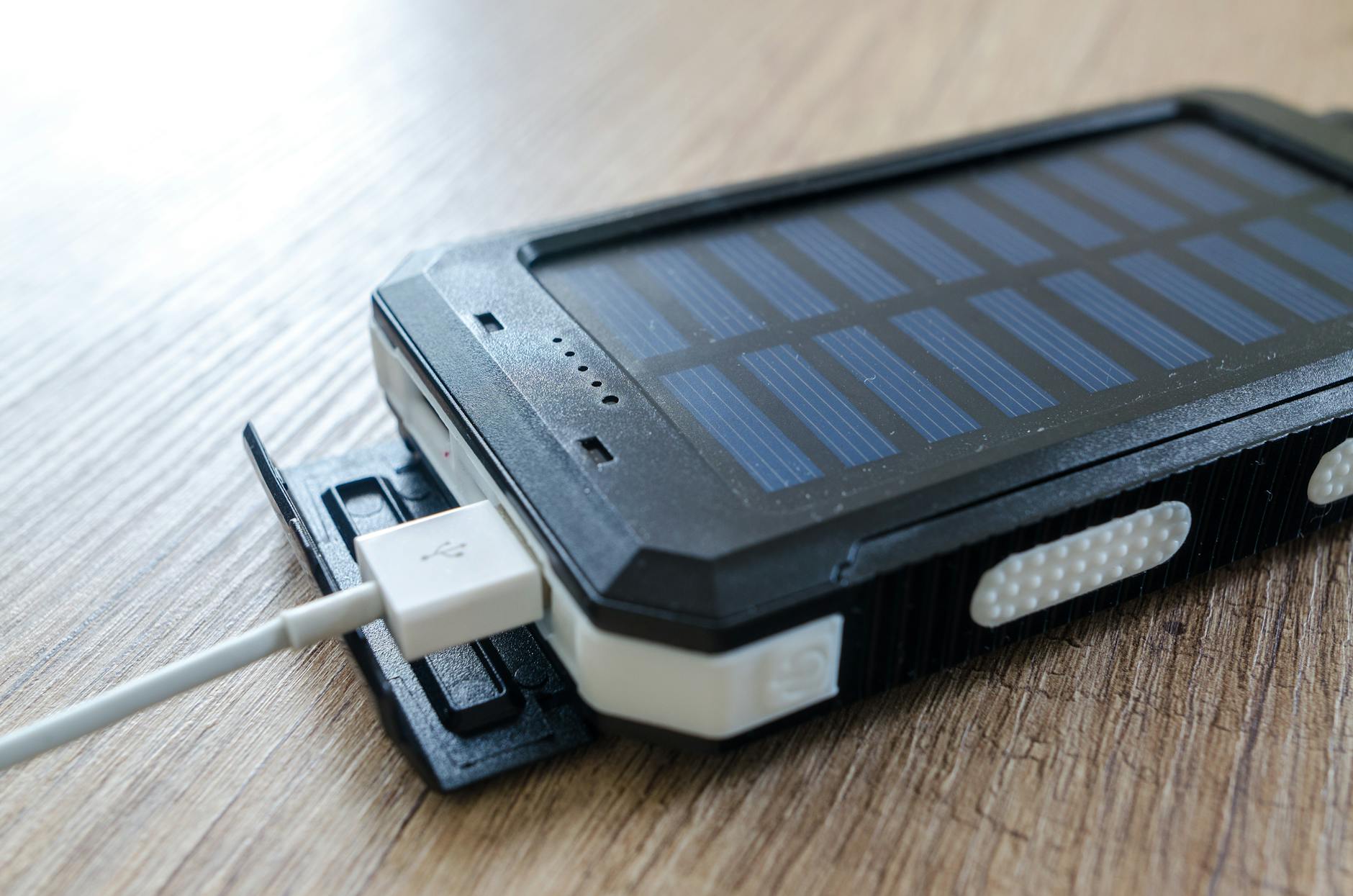
If you've been shopping for a power bank recently, you've probably noticed that some models come with a built-in LED light, and you've probably wondered whether that light is genuinely useful or just a selling point added to justify a higher price. It's a fair question, and the honest answer depends almost entirely on how and where you use your power bank. This post breaks down exactly what those LED features do, when they earn their keep, and when you're better off saving your budget for raw battery capacity instead.
This article is part of our complete guide: Power Banks Best Prices.
What LED Lights on Power Banks Actually Do
Most people assume the LED on a power bank is just a small status indicator, similar to the four dots that show remaining charge. In reality, many modern power banks, including the 50000mAh models we stock, use one or two dedicated LEDs that function as proper flashlights or work lights. The distinction matters because a status LED draws almost no power, while a flashlight LED is designed to throw usable light across a room or a path. Understanding which type you're looking at changes how you evaluate the feature entirely.
Single-LED designs are the most common, and they typically deliver enough brightness for close-up tasks like reading a meter or finding a keyhole in the dark. Dual-LED designs spread light more evenly and produce noticeably more lumens, which becomes relevant when you need to illuminate a wider area rather than a focused point. Some dual-LED models also allow you to switch between modes, so you can use a low-power glow for navigation and a full-brightness beam for detailed work. If the product listing doesn't specify the number of LEDs, it's worth asking before you buy.
Power consumption from the LED is real but generally modest on well-designed units. A single LED running continuously might draw roughly one to two percent of a large battery's total capacity per hour, which means a 50000mAh bank can run that light for many hours before the drain becomes significant. The concern about "wasting" your charge on the light is understandable, but it rarely plays out as badly as people fear. Where it matters more is on smaller, lower-capacity banks, where every milliamp counts and a bright LED running for two hours could noticeably reduce your available charge for your phone.
Real-World Use Cases for LED Power Banks in Kenya
Load shedding is the most obvious and most Kenyan reason to care about this feature. When Kenya Power schedules outages, or when a transformer blows unexpectedly, you're often left without light in the middle of a task. A power bank that's already in your bag, already charged, and already capable of lighting your space removes the need to scramble for a separate torch. For households in estates around Thika Road, Kasarani, or Ruiru, where outages can stretch for several hours, this combination of phone-charging and lighting in one device has real practical value.
Outdoor activities are a second strong use case. Camping at Aberdare National Park, hiking around Mount Kenya, or even spending a weekend at a rural shamba means you're away from consistent electricity. Carrying a power bank that also functions as a campsite lantern or trail light means one fewer item in your pack. Travelers heading upcountry for longer trips often find that the LED feature earns its keep within the first evening, particularly when charging ports are scarce and a dedicated torch would have been the alternative.
Emergency situations are harder to predict but easy to appreciate when they happen. A car breakdown at night on the Thika Superhighway, a medical situation in the house during an outage, or even just helping a neighbor find their way is where a bright, reliable LED on your power bank becomes the kind of feature you're suddenly very glad you paid for. The key word is reliable: an LED that flickers or dims quickly because it's tied to a poor-quality battery is worse than no LED at all. Quality of the entire unit matters as much as whether the LED feature exists.
When LED Features Matter Less Than You Think
If you live in a well-lit urban area and you rarely face genuine darkness, the LED feature is unlikely to change your day-to-day experience. Nairobi's CBD, Westlands, and most indoor office environments have enough ambient and emergency lighting that your phone's built-in torch handles the occasional low-light moment easily. In that context, paying a premium for a built-in LED might not make sense compared to spending the same money on a higher-capacity standard model. Be honest with yourself about how often you actually reach for a flashlight.
The gap between urban and rural Kenya is genuinely wide when it comes to this feature. In Nairobi, street lighting and backup generators in malls and apartments reduce your exposure to complete darkness. In rural parts of Murang'a, Kitui, or Kwale, evenings without power are routine, and carrying a power bank with a working LED is almost a practical necessity rather than a nice-to-have. Your location and lifestyle should drive this decision more than any marketing description on a product page.
Cost-benefit is the most grounded way to think about it. LED power banks typically cost more than comparable standard models, and whether that gap is justified depends on your actual usage patterns. If you charge your phone once a day in a city office and rarely experience outages, the extra cost may not return its value to you in any reasonable timeframe. On the other hand, if you're a small trader, a fieldwork professional, or someone who travels frequently across Kenya, the combined utility of charging and lighting in one compact device can easily justify the price difference over time.
Our 50000mAh LED Power Banks: What Makes Them Different
We built our 50000mAh LED power banks around A-grade battery cells because the LED feature is only as useful as the battery powering it. A-grade cells hold their rated capacity more accurately, degrade more slowly over charge cycles, and deliver consistent output rather than the erratic performance you get from lower-grade alternatives. Pairing a quality LED with a substandard battery would mean you get good light for the first few months and diminishing results after that. The entire unit has to be designed to last together.
Multi-protection features in our models cover overcharge, over-discharge, short-circuit, and temperature management. These protections matter for the LED function specifically because a light that runs continuously creates a sustained load on the battery, which is exactly the scenario where thermal stress becomes a risk on cheaper units. Our temperature management keeps the unit cool during extended LED use, which protects both the battery's long-term health and your safety. This is part of why CE, FCC, and RoHS certification matters: those certifications require the product to meet tested safety standards, not just claimed ones.
Battery efficiency in how we've designed the LED circuit means the light draws from the battery in a controlled, low-drain manner during normal use. We've designed the LED modes to give you a practical work-light brightness without the LED running at maximum draw unless you specifically need it. The result is that you get genuinely useful illumination during a three or four hour outage without burning through a disproportionate share of your 50000mAh capacity. Our one-year warranty covers the LED component alongside the battery and charging ports, so if the light fails within that period, you have a clear path to resolution.
How to Choose: LED Power Bank or Standard Model
Start by asking yourself two straightforward questions: how often do I face situations with no reliable light source, and do I regularly use a separate torch or rely on my phone's camera flash? If your honest answer is "rarely" to both, a standard high-capacity model is probably the smarter purchase. If your answer reflects real, recurring situations where lighting matters, the LED model is worth the additional investment. Guessing what you might need and buying accordingly tends to lead to buyer's regret in one direction or the other.
Budget is the other variable to weigh carefully. Your phone's built-in torch is genuinely good for most brief, low-stakes situations, and it costs you nothing beyond the phone you already carry. A dedicated LED power bank makes sense when you need sustained light for longer periods, when you're in environments where your phone's battery is already under pressure, or when you want a single device to handle both problems at once. If budget is tight, a reliable standard power bank with solid capacity often serves you better than a cheaper LED model where both the battery and the light underperform.
For Kenyan users who travel frequently outside Nairobi, work in field-based roles, run small businesses from locations with inconsistent power, or simply want one dependable device for everyday outages and travel, the LED power bank is a genuinely practical choice rather than a gimmick. You can browse the models we carry, including our 50000mAh options with built-in cables, through our online store. If you'd prefer to see them in person before buying, we're at Mountain Mall on Thika Road and happy to walk you through what each model actually offers.
The LED light on a power bank is not a gimmick, but it is not a universal necessity either. Whether it's worth having comes down to your specific circumstances, and the best advice anyone can give you is to think through those circumstances honestly before you buy. When the feature is backed by a quality battery and proper safety certifications, it adds real value to the right user, and that's exactly the standard we hold our power banks to.
See everything powerbanks.africa can do for you.
Visit powerbanks.africa →