Power Bank LED Light: Why You Need One in Kenya
LED light power banks solve two problems at once: keeping your phone charged and providing reliable backup lighting during Kenya's frequent power cuts.
See everything powerbanks.africa can do for you.
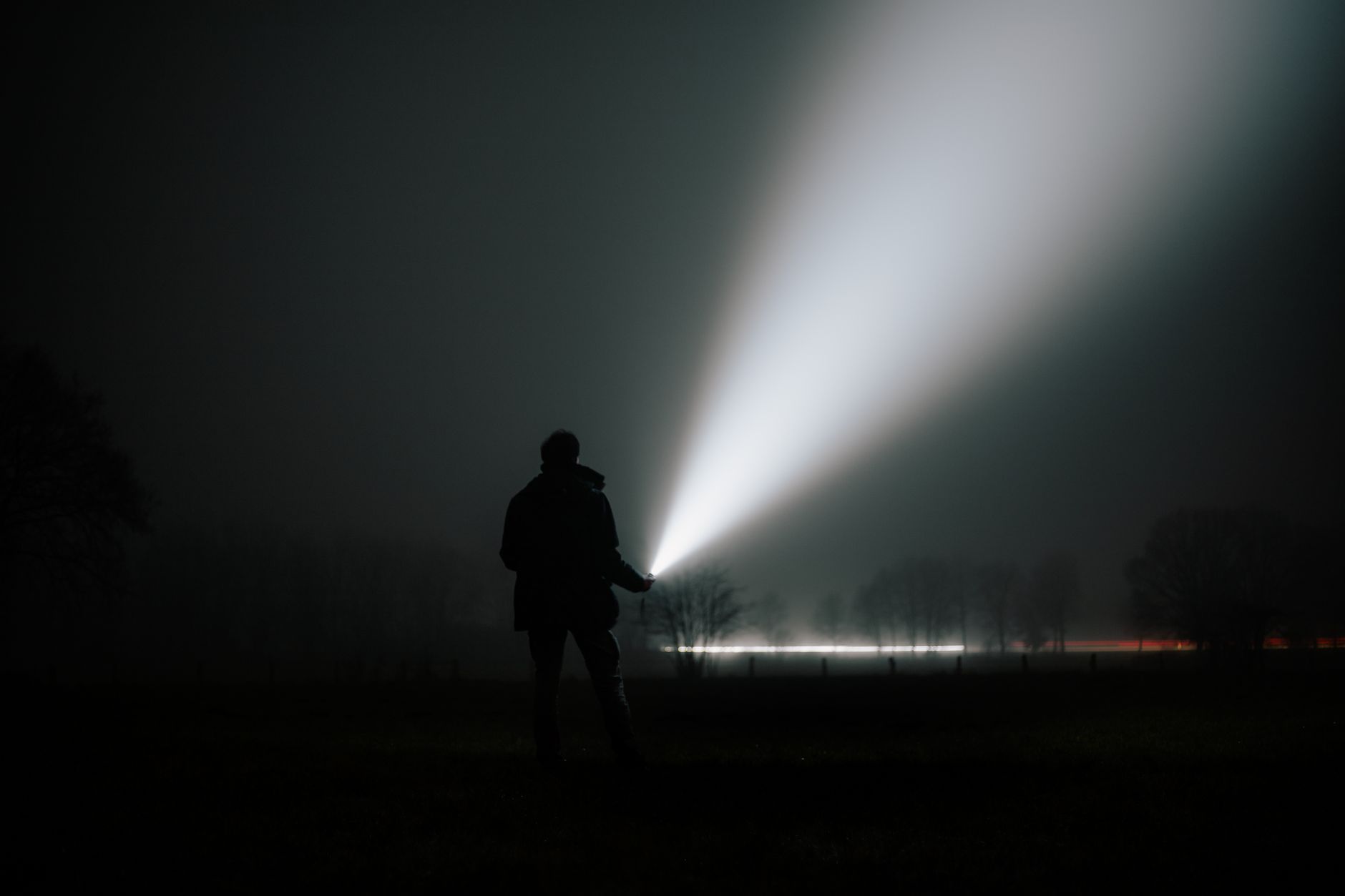
If you live or work in Kenya, you already know that power is not always guaranteed. A power bank LED light solves two problems at once: it keeps your phone charged and puts a reliable light source in your pocket. As load shedding and unexpected outages become a regular part of life across the country, this combination device has gone from a novelty to a genuine daily essential. The convenience of carrying a single device that handles both lighting and charging is something that becomes immediately obvious the first time you experience a prolonged blackout while holding a dim phone. For many Kenyans, that first experience is all it takes to make this type of product a permanent fixture in their bag, drawer, or kitchen counter.
This article is part of our complete guide: Power Banks Best Prices.
What Is a Power Bank LED Light?
A power bank LED light is a portable battery pack with a built-in LED flashlight, so you get full charging capacity and a working light source in a single device. The LED function does not eat into the usable battery in any meaningful way, because the flashlight draws very little power compared to charging a smartphone. High-capacity models like the 50000mAh options we stock come with multiple brightness levels, letting you adjust from a dim, battery-saving glow to a strong beam depending on what you need. Many of these units also include built-in cables for both USB-C and Micro-USB devices, which removes the need to carry separate cords. Despite packing in all that technology, the best models are still compact enough to slip into a backpack or handbag without adding noticeable weight. The result is one device that genuinely earns its place in your bag every single day, covering two of the most common emergencies a Kenyan household faces with a single purchase.
How the LED and Charging Work Together
The LED and charging circuits inside a quality power bank operate independently, meaning you can illuminate a room while a phone charges without either function suffering. This is different from simply using your phone's built-in torch, which pulls from the same battery you are trying to preserve. Well-designed units manage current distribution automatically, so the device decides how to allocate power without requiring you to switch anything off manually. That quiet efficiency is part of what makes these devices so useful during an outage when you need both functions running at the same time. Understanding this design helps you trust the device rather than hesitating to use it fully when a blackout hits. Knowing that the two functions do not compete with each other means you can run the light all night and still wake up to a phone that is fully charged and ready for the day ahead.
Why LED Lights Matter During Kenya's Power Cuts
Load shedding is a reality that affects homes, apartments, and small businesses across Nairobi and beyond, sometimes for several hours at a stretch. When the lights go out at night, you are left navigating your home or workspace in the dark while your phone battery is also draining because you have been using it as a flashlight. Carrying a dedicated flashlight solves the light problem but adds another device to charge and another item to remember. A power bank with a built-in LED handles both needs together, so you are not juggling multiple gadgets during a blackout. The LED is also far more useful than your phone's torch for extended outages because using it does not drain your phone's battery. For anyone walking home after dark or waiting out a long outage, that distinction matters enormously, and it is often what turns a frustrating evening into a manageable one.
The Hidden Cost of Using Your Phone as a Torch
Every minute your phone screen or torch is active during an outage is a minute taken away from calls, mobile data, and the communication you need most. In a city like Nairobi where M-Pesa transactions and WhatsApp coordination are central to daily life, a drained phone is a genuine inconvenience that goes beyond simply sitting in the dark. People often do not realise how quickly a phone drops from 50 percent to zero when the torch is running and the screen stays on to check messages at the same time. A dedicated LED on a separate power bank removes that tension entirely by giving you light without touching your phone's charge. That separation is one of the most practical reasons to own this type of device before you actually need it. The cost of missing a transaction or failing to reach someone in an emergency is far higher than the upfront cost of a reliable power bank LED light.
Real-World Uses Beyond Emergency Lighting
The LED function on a quality power bank is not only useful when Kenya Power goes quiet. Campers heading to places like Mount Kenya, Aberdare, or the Maasai Mara need dependable light that can also recharge a GPS device or camera overnight. Office workers in buildings prone to sudden blackouts can keep one on the desk and avoid the scramble for a torch when the generator takes time to kick in. Students studying late in hostels or rented rooms without stable electricity can read comfortably without burning through a phone battery. If your car breaks down on the Thika Superhighway or the Nairobi-Mombasa road after dark, a bright LED power bank can serve as a visible signal to other drivers while your phone stays charged to call for help. The versatility of this one device makes it genuinely useful across very different situations, which is exactly why it is worth investing in a good one rather than settling for the cheapest option available.
Traders and Small Business Owners
For traders operating in markets, kiosks, or roadside stalls, reliable light and phone charge during an outage can mean the difference between completing a sale and losing a customer. Mobile money payments, which almost every Kenyan business depends on, require a functioning phone with charge. A power bank LED light sitting behind the counter gives a shopkeeper immediate light to continue serving customers and the ability to process transactions without interruption. The LED is bright enough to illuminate a small stall adequately, and the charging capacity covers a full business day even through multiple outages. That practical combination makes it as much a business tool as a personal convenience for this segment of customers. For anyone whose livelihood depends on staying connected and visible during irregular power supply, a quality power bank LED light is not a luxury but a working tool that belongs in the same category as a reliable phone or a good pair of shoes.
Battery Quality Affects LED Performance
Not every power bank LED light behaves the same way, and battery quality is the main reason for the difference. Power banks built with A-grade batteries maintain a consistent LED brightness from the first hour of use through to the final percentage of charge, rather than dimming noticeably halfway through. Cheap alternatives often use B-grade or recycled cells that lose voltage quickly, so the flashlight becomes noticeably weaker long before the battery is empty. Running an LED continuously also generates some heat, which is why multi-protection features including overcharge, over-discharge, and temperature control matter so much. A device without proper thermal management can become uncomfortably warm or even shut off unexpectedly when the LED and a charging cable are both active. CE and FCC certified power banks are independently tested for exactly these conditions, meaning the certification is not just a sticker but a result of actual safety testing that you can rely on when the device is working hardest.
What to Look for on the Label
When buying a portable power bank in Nairobi's electronics shops or online, the capacity figure printed on the casing is not always the delivered capacity you will actually experience. A 50000mAh label on a device using low-quality cells may deliver far fewer usable milliamp hours because the battery loses voltage quickly under real load. Look for CE or FCC certification marks, ask about the cell grade, and check whether the product comes with a warranty that specifically covers the LED component, not just the charging ports. Reputable sellers are able to answer these questions directly rather than deflecting them. Taking two minutes to ask the right questions protects you from buying a device that fails during the first serious outage it faces. A genuine warranty on both the LED and the charging functionality is one of the clearest signals that a seller stands behind what they are selling.
Choosing the Right LED Power Bank Capacity
Choosing capacity comes down to how you actually use your devices on a typical day. A 50000mAh power bank can fully charge most smartphones eight to ten times while still leaving plenty of reserve for extended LED use, which makes it the right choice if you experience frequent long outages or spend time outdoors regularly. A 20000mAh model is a practical option if you mostly need occasional lighting and one or two phone top-ups per day, and it is lighter to carry on shorter trips. The honest calculation is to think about how often your power goes out, how long those outages last, and how many devices you typically need to keep running at the same time. Built-in cables on an LED power bank are worth considering specifically for travel, because one of the most common frustrations on the road is realising you left a cable at home. Getting the capacity right the first time means you are not left underpowered during the exact moment you need the device most, and it also protects you from the temptation to buy a second unit shortly after the first proves too small.
Households With Multiple Users
A family of four sharing a single power bank during an outage will drain a small-capacity device very quickly. If a household has two or three smartphones, a tablet for the children, and possibly a small fan running through a USB port, a 50000mAh device is the more sensible investment even if it costs more upfront. Spreading that capacity across a long overnight outage still leaves enough reserve for the LED to run through the night on a medium brightness setting. Thinking of the device as shared household infrastructure rather than a personal gadget changes the calculation on what capacity makes financial sense. A slightly larger investment in the right capacity avoids the frustration of rationing charge between family members in the dark. When you divide the cost of a high-capacity model across everyone who benefits from it, the price per person is modest and the daily value is immediately obvious.
Tips for Maximizing Your LED Power Bank
Using a lower brightness setting during an outage is the single easiest way to stretch your battery life significantly, since LED power draw drops sharply at medium or low levels. If you are using the light to illuminate a room rather than to navigate outdoors, a lower setting is usually more than sufficient and far kinder to your remaining charge. Store your power bank in a cool, dry place because high ambient temperatures, especially in Nairobi's warmer months, reduce battery efficiency and can cause the LED to dim faster than it should. Avoid running the LED and a fast-charging cable simultaneously for extended periods in direct sunlight or inside a hot car, because heat affects both the battery cells and the charging circuitry. For emergency preparedness, store the device at around 50 to 70 percent charge rather than keeping it permanently at 100 percent, which reduces long-term cell degradation. Our one-year warranty covers both the LED function and the charging ports equally, so if either develops a fault within that period you are protected without any confusion about what the warranty does or does not include.
Building an Emergency Power Habit
Treating your power bank the way many Kenyans treat a Jerry can of petrol, filled and ready before you need it, is the mindset that makes it most useful. Set a reminder on your phone to top up the power bank every Sunday evening so it enters the week at a healthy charge level. Keep it in one consistent location at home so you are not searching for it in the dark when an outage begins. Pair it with a simple routine: plug it in to recharge the morning after you use it, then return it to its spot. Small habits like these mean the device is never at zero precisely when a blackout strikes. The few seconds it takes to check the charge level once a week is genuinely one of the most practical things you can do to protect yourself from the disruption that unplanned outages cause throughout the year.
Whether you are dealing with daily load shedding in Nairobi, planning a camping trip to the Rift Valley, or simply want one less thing to worry about when the lights go out, a power bank LED light is a practical investment that pays for itself quickly. You can visit us in person at Mountain Mall on Thika Road, and nationwide delivery means wherever you are in Kenya, dependable power and light are closer than you think. Taking the step to own a reliable, certified device before the next outage is the kind of preparation that always feels worthwhile the moment the lights go off.
See everything powerbanks.africa can do for you.
Visit powerbanks.africa →