Power Bank LED Lights: Why They Matter for Night Emergencies
Learn why LED lights on power banks are more than a gimmick—they're practical safety features for power cuts, travel, and emergencies across Kenya.
See everything powerbanks.africa can do for you.
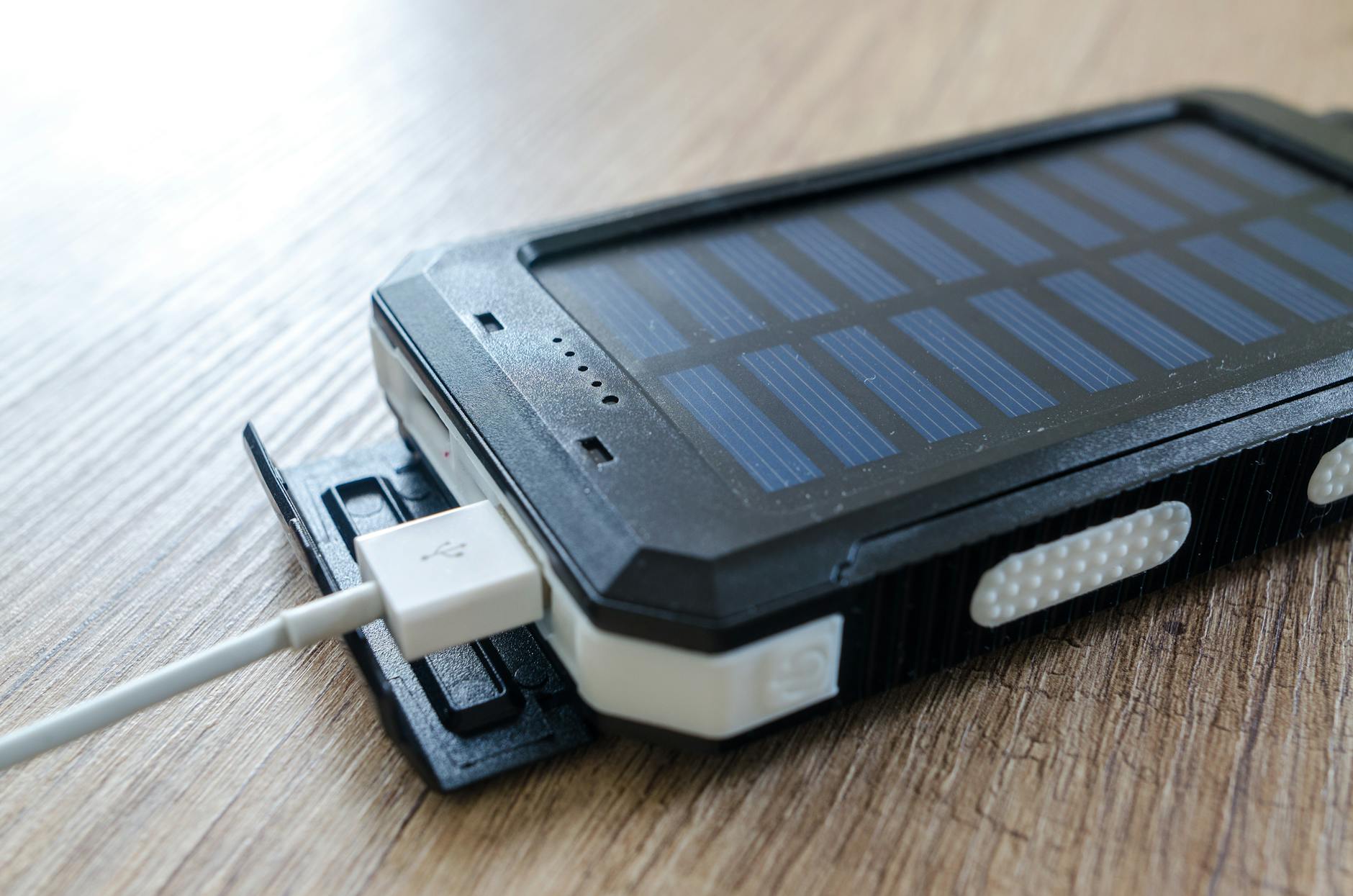
If you've ever been caught in a power cut at night with a dead phone and no torch in sight, you already understand why the LED light on a power bank is more than a novelty feature. Kenya's electricity situation means blackouts can arrive without warning, and having a device that handles both charging and lighting at once is simply practical. This post walks through exactly why that small but powerful LED deserves your attention when choosing a power bank.
This article is part of our complete guide: Power Banks Best Prices.
Why LED Lights Matter on Your Power Bank
Power cuts in Kenya tend to follow the most inconvenient timing imaginable, striking at night when visibility is already low and your need for a charged device is highest. A fully charged phone sitting on your desk is far less useful when you cannot see the screen or navigate your home safely. The LED light built into a quality power bank fills that gap immediately, functioning as an emergency flashlight the moment you need it. Kenya's load shedding schedules have become a familiar part of daily life for households in Nairobi and across the country, which means darkness and low battery often arrive together. Having one device that tackles both problems doubles the return on what you spend. When you think about it that way, the LED is not an add-on feature but a core part of the power bank's value.
The Case for Dual-Purpose Devices
Most people think of a power bank purely as a charging accessory, something tucked into a bag until the phone battery dips into the red. That narrow view leaves a practical tool underused, particularly when emergencies do not arrive in a predictable order. A power bank with a built-in LED collapses two separate gadgets into one, removing the need to hunt for a torch at the same moment you are hunting for a charging cable. In a country where power interruptions are measured in hours rather than minutes, that convenience is genuinely valuable. Owning fewer devices that each do more is a sensible approach to everyday preparedness. The dual-purpose design is not clever marketing but a direct response to how people actually experience outages.
Real-World Scenarios Where LED Lights Save the Day
Nairobi's traffic congestion during a blackout creates a surprisingly stressful situation, especially when you need to use your phone for navigation while keeping an eye on your surroundings. Switching on the LED on your power bank lets you see what you are doing without draining your phone's battery on the flashlight function. For anyone who travels between towns at night, whether by matatu or personal vehicle, an LED light on your power bank can help you find your footing at a dark bus stage or roadside stop. At home during a power cut, you can charge your phone and light a small area at the same time without hunting for spare batteries for a separate torch. These are not edge cases; they are situations that Kenyan users encounter regularly, and they make the LED feature worth prioritising.
Upcountry and Outdoor Use
For camping trips to places like the Aberdare ranges, or for rural visits where the grid is unreliable or absent entirely, a high-capacity power bank with a built-in LED becomes a genuinely dual-purpose device. The ability to light a tent or a path while simultaneously keeping phones and other devices charged is something a dedicated torch simply cannot offer. Many upcountry areas experience planned outages that last overnight, and travellers who carry a capable power bank are far better positioned than those relying on wall sockets that may not come back on until morning. A single device handling lighting and device charging also means one less item to forget when packing in a hurry. For families visiting rural homes during holidays, the LED light on a power bank can serve an entire household through a long night. Thinking about these scenarios before you buy helps you choose a device that genuinely matches how you will use it.
Workplace and Small Business Outages
Small businesses in Nairobi, from hair salons to mpesa agents, rely heavily on mobile devices to keep transactions running during grid failures. When the power goes out mid-transaction, having a power bank with an LED light means staff can continue working in dimly lit rooms without stopping to find alternative lighting. Restaurants and small shops that stay open through outages benefit from the same combination, keeping both their tills charged and their spaces usable. A power bank distributed among staff becomes an operational tool rather than a personal accessory in these settings. The LED light specifically reduces the need to interrupt service while someone locates candles or a separate torch. Thinking about a power bank as part of your business continuity plan, not just a personal gadget, changes the calculation on which features to prioritise.
How LED Power Bank Lights Work and Their Limitations
The LED on a power bank draws a very small amount of energy compared to charging a phone, typically less than one percent of the total battery capacity per hour of use. This means switching it on during a blackout will not noticeably reduce how much charge is available for your devices. That said, LED brightness varies considerably between manufacturers, and a dim indicator-style light is very different from a practical emergency flashlight. Quality power banks use LEDs bright enough to illuminate a room or a path, while cheaper models sometimes include LEDs that can only tell you the battery level. Some better-designed units include adjustable brightness settings, which let you conserve battery when you only need a soft glow and increase intensity when you need to see clearly. Because LEDs use far less power than a phone's camera flashlight circuit, they also tend to last much longer in a single session, making them a smarter choice for sustained use during extended outages.
Understanding Brightness Ratings
Manufacturers describe LED brightness in lumens, and the difference between a 20-lumen indicator and a 100-lumen flashlight LED is significant in practical terms. A 20-lumen light will help you find a socket in a dark room but will not do much if you need to navigate a staircase or an outdoor path. A 100-lumen output, which better-built power banks offer, is enough to light a medium-sized room adequately or to walk safely along a path at night. Checking the lumen rating before you buy is a quick way to separate genuinely useful LED lights from decorative ones. Some products describe their LED as a flashlight without specifying brightness, which is a signal to ask the seller for clarification. Knowing what you need in advance makes that conversation much easier.
Choosing a Power Bank with a Reliable LED Light
When you are buying a power bank with an LED, the quality of the battery inside matters just as much as the LED itself, because a weak or degraded battery will let both functions down at once. Power banks built with A-grade battery cells maintain consistent output over hundreds of charge cycles, which means the LED and the charging ports continue performing reliably long after cheaper units have started to fade. Certification standards such as CE, FCC, and RoHS are a useful signal here, because certified devices must meet minimum standards for electrical circuit design, which includes the LED driver and its protection features. A properly designed LED circuit will not flicker, overheat, or drain the battery unexpectedly during a prolonged outage. Among the options available, high-capacity power banks with built-in LEDs offer a particularly practical balance, giving you enough capacity to charge multiple devices several times over while also providing meaningful emergency lighting. If you would like to see what this looks like in practice, browse our power bank range to find options that combine high capacity with a functional LED light.
What to Check Before You Buy
Beyond certification marks and battery grade, a few practical checks will save you from disappointment later. Press the LED button in the shop or confirm with the seller that the LED has been tested and is functioning on the specific unit you are purchasing. Ask whether the LED has a single brightness mode or multiple settings, since adjustability is a genuine advantage during extended use. Check whether the warranty explicitly covers the LED component or only the charging circuitry, as some sellers limit their coverage to charging functions alone. A one-year warranty that covers all components, including the LED, gives you meaningful protection if something fails in normal use. Taking five minutes to ask these questions before paying is far easier than seeking a replacement after the fact.
LED Power Banks vs. Flashlights: Which Do You Need?
A dedicated flashlight will always produce a more focused and intense beam than the LED on a power bank, and that matters if you need to light up a long stretch of road or signal for help at distance. However, carrying a power bank and a separate flashlight means two devices to charge, two items to remember, and more money spent on what is essentially the same emergency scenario. An LED power bank works best as a reliable backup light rather than a replacement for a high-performance torch intended for prolonged outdoor use. For the majority of Kenyan users dealing with household blackouts, urban power cuts, or occasional night travel, the LED on a good power bank is more than sufficient. One device covering two critical needs during a power cut is a straightforward win for convenience and cost. The built-in LED effectively removes the need for a separate emergency kit in most everyday situations.
When a Separate Torch Still Makes Sense
Security personnel, night-shift workers, and anyone who spends extended hours outdoors after dark will still benefit from a dedicated torch with a high lumen output and a focused beam. A power bank LED is not designed to replace that kind of tool, and positioning it that way would set unrealistic expectations. The honest answer is that most urban and peri-urban Kenyan households do not need a high-performance tactical torch for their everyday outage scenarios. For that majority, the LED on a power bank handles the job well and saves them the cost of a separate purchase. If your circumstances do call for a proper torch, a power bank with an LED still serves as a useful companion rather than a replacement. Knowing the difference helps you build a kit that genuinely fits your life.
Tips for Maximizing Your Power Bank's LED
When you are not actively using the LED, turn it off and let the power bank focus on charging your devices, because every percentage point of battery capacity matters when the grid is down. During a blackout, think about where the light is most needed rather than leaving it on continuously out of habit. Before an emergency arises, test the LED to confirm it is bright enough for your needs, because discovering it is too dim during an actual power cut is not the right moment for that lesson. Position the power bank on a stable surface and angle the LED toward a wall or ceiling to spread light more evenly across a room, rather than pointing it directly at a work surface. If the LED on your power bank stops working, have it checked or replaced promptly rather than assuming the charging function alone is sufficient. Small habits like these ensure your power bank is genuinely ready when you need it, not just sitting charged in a drawer.
Keeping Your Power Bank Ready for Emergencies
A power bank that sits uncharged in a drawer is no more useful than a flat phone during a blackout. Set a reminder to top up your power bank at least once a month if you do not use it regularly, because battery cells lose charge slowly even when idle. Store it somewhere accessible rather than buried in a travel bag, so you can reach it quickly when the lights go out. If you share a home or office with others, make sure at least one person knows where it is kept and how to activate the LED. Running a quick test every few weeks confirms that both the charging output and the LED are working as expected. These small routines take almost no time and make a real difference when an outage catches you off guard.
The LED on a power bank is one of those features that seems minor until the lights go out and your phone battery is at twelve percent. For Kenyan users navigating load shedding, night travel, and unpredictable outages, it turns a charging device into a complete emergency tool. Choosing a power bank that handles both jobs well is one of the most straightforward upgrades you can make to your daily preparedness.
See everything powerbanks.africa can do for you.
Visit powerbanks.africa →