Power Bank Overheating: How to Keep Yours Safe During Charging
Learn why power banks overheat, how to recognize dangerous temperatures, and practical steps to protect your device while charging your phone.
See everything powerbanks.africa can do for you.
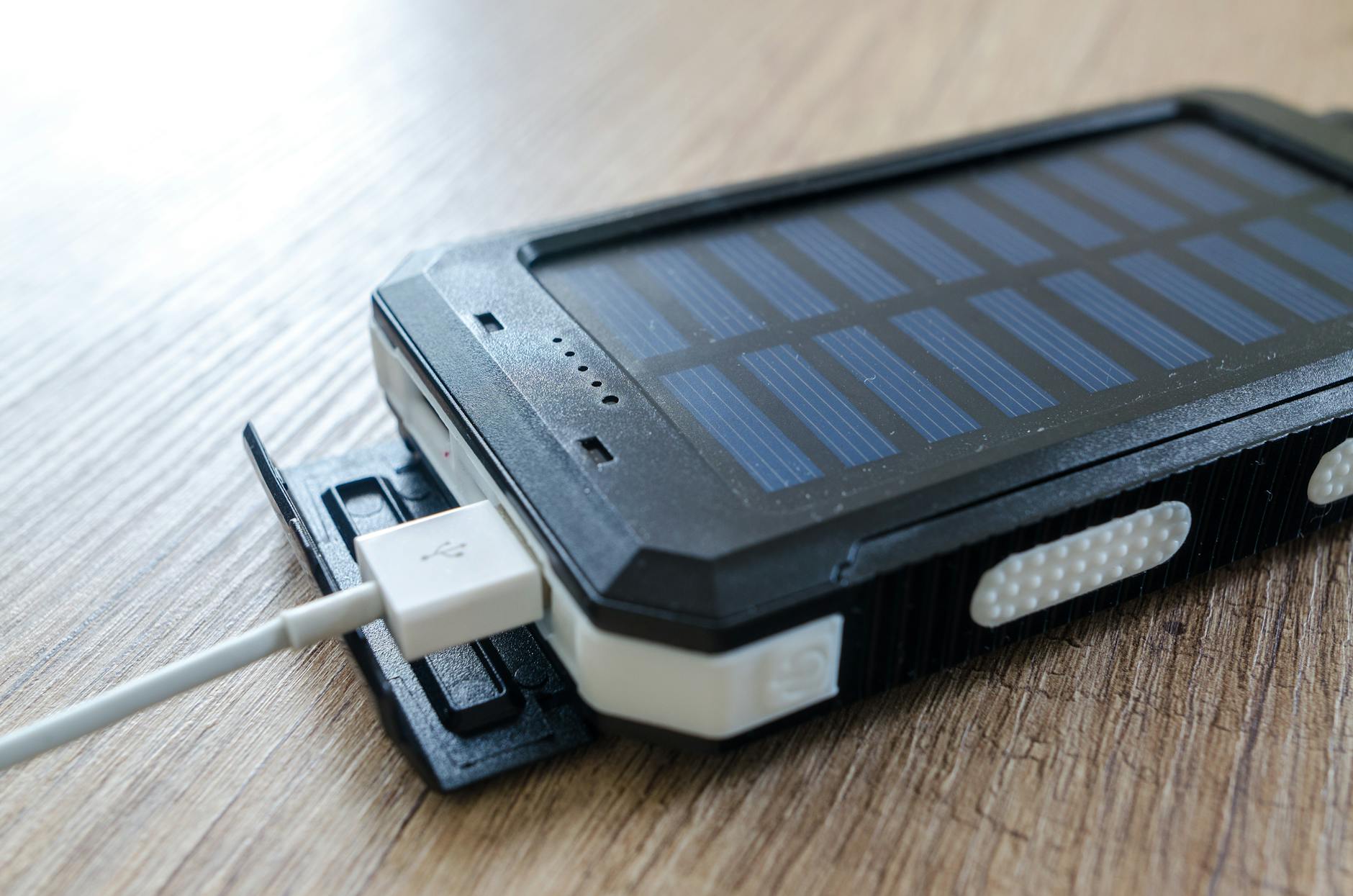
If you have ever picked up your power bank mid-charge and felt it burning your palm, you are not alone. Power bank overheating is one of the most common complaints among Kenyan smartphone users, and it can range from a minor inconvenience to a genuine safety hazard. Understanding why it happens and what to do about it will protect both your devices and your home.
This article is part of our complete guide: Power Banks Best Prices.
Why Power Banks Overheat During Use
Every time current flows through a battery cell, the cell's internal resistance converts some of that electrical energy into heat. This is a basic fact of physics, and no battery avoids it entirely. The concern arises when that heat builds up faster than it can escape the casing. A-Grade battery cells are manufactured to tighter tolerances, which means their internal resistance stays lower and they generate less heat for the same amount of current. Low-quality cells with higher internal resistance produce significantly more heat under the same load, which is why two power banks with identical capacity ratings can behave very differently in your hands. That difference in cell quality is often invisible from the outside but is felt immediately once charging begins.
Pass-Through Charging Is a Particular Concern
One of the most common triggers for overheating is what engineers call pass-through charging, which is when you charge your phone through the power bank while the power bank itself is also plugged in. Doing this forces the battery to charge and discharge at the same time, effectively doubling the heat it generates. The cells never get a chance to cool down between cycles, so heat accumulates steadily throughout the session. On top of that, placing a power bank on a car dashboard or leaving it in direct sunlight during Nairobi's midday heat traps warmth inside the casing with nowhere to go. Low-quality batteries without proper internal protection circuits are especially vulnerable, and excessive heat in those cases is not just uncomfortable but a warning that the cells are already struggling. Avoiding pass-through charging entirely is the single fastest way to reduce thermal stress on your device.
Recognizing Dangerous Temperature Levels
A healthy power bank will feel warm to the touch during charging, which is completely normal. The simple test is to hold it in your palm for ten seconds. If you can do that without discomfort, the temperature is within a safe range. The moment it becomes too hot to hold, or you notice condensation forming on the casing, or you detect a burning plastic smell, you need to stop using it immediately. Kenya's climate adds an extra layer of risk here because ambient temperatures in Nairobi can sit above 30 degrees Celsius for extended stretches, and that baseline heat means your power bank starts each session already warmer than it would be in a cooler environment. A device that runs fine in a temperate climate could run dangerously hot in Mombasa during the dry season under the same load.
What Sustained Heat Does to Your Cells
Sustained overheating is not just unpleasant. It permanently damages the internal battery cells and reduces the total capacity the power bank can hold. Each heat event degrades the cell's ability to accept and release charge efficiently, which creates a cycle where the damaged cell generates even more heat during the next session. In serious cases, particularly with low-quality products that lack protection circuits, this degradation can increase the risk of fire. Users often notice the damage first as a shorter runtime before they notice any warmth at all. Treating unusual heat as a warning sign rather than a nuisance gives you the chance to act before the damage becomes irreversible.
How Protection Circuits Prevent Overheating
Well-built power banks include a thermal cutoff switch, which is a circuit that automatically stops the charging process if the internal temperature rises above a preset threshold. This feature alone can be the difference between a power bank that gets warm and one that becomes a fire risk. Multi-protection circuits go further by regulating the flow of current throughout the entire charge and discharge cycle. They prevent the runaway heating that occurs when a damaged or low-quality cell starts drawing excessive current. These circuits also protect against voltage spikes from uncertified chargers, which are a common source of unexpected heat in everyday use across Kenya. A power bank built with both quality cells and robust protection circuits handles the demands of a hot climate far more reliably than one that skimps on either.
Practical Steps to Charge Your Power Bank Safely
Charge your power bank on a hard, flat surface indoors, away from windows that get direct afternoon sunlight. Do not leave it on a bed or sofa cushion while charging, because soft surfaces trap heat underneath the casing and cut off the natural airflow the device relies on. Using the correct charger is another step that most people overlook, since a certified USB-C or micro-USB charger delivers current at the voltage the power bank was designed for. An uncertified charger can send voltage spikes that stress the battery cells and generate unnecessary heat even when the power bank itself is perfectly healthy. Charging at a cooler time of day, such as the evening rather than midday, also reduces the ambient heat the device has to work against. These small adjustments add up to meaningfully lower operating temperatures over the lifespan of the product.
Handling a Power Bank That Gets Too Hot
If your power bank ever feels uncomfortably hot during a session, unplug it straight away and set it somewhere cool for at least thirty minutes before resuming. Never place it in a refrigerator or freezer, because rapid cooling causes condensation inside the casing, which can damage the circuits. A cool, dry surface indoors away from direct airflow is sufficient. Once it has returned to room temperature, check the casing for any signs of swelling or discolouration before plugging it back in. If the overheating happens again on the very next charge, treat that as a sign of cell degradation rather than a fluke. Repeated overheating events mean the device needs to be retired, not just rested.
Why Certifications Matter for Heat Safety
CE, FCC, and RoHS certifications are not just stickers that manufacturers put on packaging to look professional. Each of these marks requires the product to pass rigorous independent testing, including thermal tests that push the device to extreme conditions. A power bank that has passed CE testing has been verified to perform safely even when its internal cells approach failure, because the protection circuits must prevent a dangerous outcome regardless. Counterfeit power banks, which are unfortunately common in Kenyan markets, typically skip these protection circuits entirely to cut costs. Without thermal protection, a failing cell inside a counterfeit device has nothing to stop it from entering thermal runaway. Choosing a certified product is not a premium purchase decision so much as a basic safety decision, particularly in a high-temperature environment.
Warranty Coverage as a Practical Safety Net
Warranty coverage is another practical reason certifications matter for everyday buyers. If a certified power bank develops an overheating fault within the warranty period, you have a clear path to a replacement at no additional cost. With an uncertified product, there is no such protection, and you bear the full cost of a device that may have been dangerous from the day it left the factory. A one-year warranty also gives the seller a financial reason to stock products that actually meet their specifications, because a poorly built product generates returns and complaints. That accountability is largely absent from unbranded products sold without documentation. Paying a little more for a warranted, certified product typically costs less in the long run than replacing a cheap one after six months.
Signs Your Power Bank Needs Replacement
Even a well-built power bank has a finite lifespan, and knowing when to retire one is just as important as knowing how to use it safely. If your power bank consistently runs hot after only a short charging session, that is a sign the internal cells have degraded and can no longer manage current efficiently. A noticeable drop in charging speed is another red flag, because circuit damage from previous overheating events often shows up first as sluggish performance rather than a complete failure. The most urgent sign of all is a swollen or bulging casing, because swelling means gas is building up inside the battery pack. A swollen power bank should be taken out of use immediately and disposed of through an appropriate electronics recycling point rather than placed in general waste. Checking out our range of certified power banks is a straightforward way to find a replacement that meets Kenya's climate demands, with a one-year warranty covering any defects that arise.
Understanding these risks puts you in control of a device you rely on every day. A little care around how and where you charge your power bank extends its life significantly and removes a genuine safety hazard from your home or office. When it is time to replace one, choosing a power bank with A-Grade cells, multi-protection circuits, and verifiable certifications is always the decision you will be glad you made.
See everything powerbanks.africa can do for you.
Visit powerbanks.africa →