Power Bank Lifespan: Why Warranty Matters More Than Price
Learn why a one-year warranty protects your investment and how to choose power banks built to last beyond the first year.
See everything powerbanks.africa can do for you.
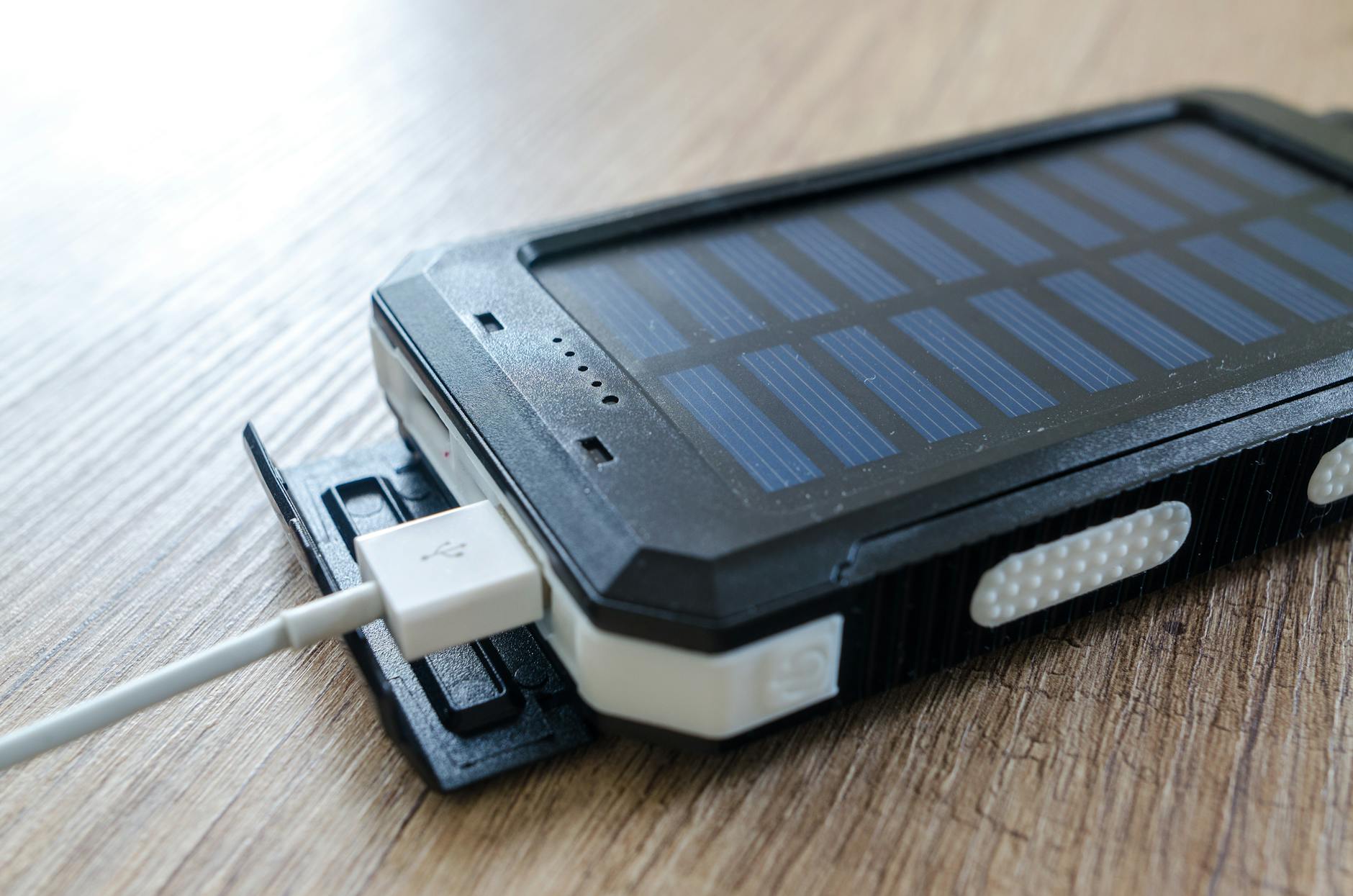
If you have ever bought a power bank that stopped charging properly after a few months, you already know that the sticker price tells only part of the story. The real cost of a power bank is measured in how long it keeps working reliably, and that calculation starts with understanding what a warranty actually means and why the quality of the battery inside matters far more than the number printed on the price tag.
This article is part of our complete guide: Power Banks Best Prices.
What a One-Year Power Bank Warranty Actually Covers
A genuine one-year warranty on a power bank covers manufacturing defects in the battery cells and charging circuits. If your unit arrives with a faulty cell that drains overnight without being used, or if the charging circuit fails under normal operating conditions, a legitimate warranty obliges the seller to repair or replace the unit at no cost to you. This protection is meaningful because battery and circuit defects are not always visible at the point of purchase. They often surface within the first few months of regular use, which is exactly the window a one-year warranty is designed to address. Knowing this helps you frame warranty coverage as genuine financial protection rather than a piece of paper tucked in the box.
What a warranty does not cover is equally important to understand. Physical damage such as a cracked casing, water ingress from rain or a wet bag, and damage caused by using incompatible chargers are almost universally excluded. Most warranty documents also exclude faults arising from unauthorized repairs or modifications. Reading these exclusion clauses before you buy, rather than after something goes wrong, saves a great deal of frustration. A seller who makes these terms clear upfront is already signalling a level of honesty that matters.
In Kenya, warranty claims typically work by returning the unit to the retailer either in person or through a courier service the seller specifies. Physical retailers like the store at Mountain Mall on Thika Road offer the advantage of walk-in returns, which cuts turnaround times significantly compared to purely online-only sellers. Depending on whether a repair or a full replacement is needed, resolution usually takes between five and fourteen working days with a reputable retailer. Keeping your purchase receipt and original packaging throughout the warranty period makes the process considerably smoother.
Warranty terms vary between retailers because the commitment behind them varies just as much. A seller who sources A-grade batteries and certified components can afford to offer a full year of coverage because they expect a low defect rate. A seller moving uncertified stock quietly limits the warranty scope or adds vague conditions precisely because they know the failure rate is high. Comparing warranty documents side by side before purchasing is one of the most useful things you can do.
Why Budget Power Banks Fail Before Warranty Ends
Low-grade battery cells begin losing usable capacity within six to twelve months of regular use, which means the device is already degrading while it is still under the warranty period. These cells are often rated at a capacity that the battery cannot genuinely sustain through real-world charge cycles. A unit sold as 20000mAh may deliver that figure only on the first few charges before capacity drops noticeably. By the time a customer notices the problem and considers a warranty claim, the degradation may be classified as "normal wear" under the seller's intentionally vague terms. This is a deliberate design of the business model, not an unfortunate coincidence.
Poor quality protection circuits are responsible for a separate and more dangerous category of failure: overheating. A well-designed protection circuit monitors temperature, voltage, and current draw, cutting power before any of these parameters reach unsafe levels. Budget units cut costs precisely on this circuitry, which means the battery can overheat during charging or discharge, causing premature failure and in some cases physical damage to connected devices. In a market where customers often charge phones overnight, this risk is not theoretical. It is one of the clearest reasons why certified multi-protection circuitry is worth paying for.
Counterfeit power banks present an additional problem because they carry no real warranty backing regardless of what the packaging claims. A CE or FCC logo printed on a box without genuine third-party certification behind it is purely decorative. If the unit fails, there is no manufacturer accountability and no retailer obligation to honour a claim, because the product was never what it claimed to be. Spotting counterfeits requires knowing what genuine certification documentation looks like, which is why buying from a traceable, established retailer is so important. A seller with a physical address and a verifiable stock chain has far more to lose from selling counterfeits than a market stall or anonymous online listing does.
Kenya's climate and usage patterns place additional stress on budget units that manufacturers in cooler, lower-usage markets may not have accounted for. Nairobi's ambient heat, particularly in vehicles and bags left in the sun, accelerates the chemical degradation inside lithium cells. Add frequent charging cycles driven by inconsistent electricity supply in many parts of the country, and a cheap battery that might last a year in a temperate climate may fail in six months here. This is not a minor regional footnote; it is a central reason why battery grade and thermal management matter more in Kenya than the global average marketing material suggests.
How A-Grade Batteries Extend Real-World Lifespan
A-grade battery cells are manufactured to retain approximately eighty percent of their original capacity after five hundred charge cycles or more. For someone who charges their power bank every day or every other day, five hundred cycles represents well over a year of real-world use, meaning the battery is still performing meaningfully at the point most budget units have already become unreliable. This retention figure is testable and traceable, which is why reputable manufacturers publish it. Choosing a power bank built on A-grade cells is effectively choosing a longer period of reliable service from day one.
Multi-protection features built into quality power banks work alongside good battery cells to prevent the kinds of stress that cause premature wear. Overcharge protection stops the circuit when the battery reaches full capacity, rather than continuing to push current through the cells. Short circuit protection, over-temperature cutoff, and over-discharge prevention all reduce the mechanical and chemical stress on the battery during each cycle. These features do not just make the unit safer to use; they actively extend the number of cycles the battery can complete before capacity degrades. A power bank with all of these protections in place is doing less damage to itself every time you use it.
Certified batteries come with manufacturer traceability, meaning the cells inside can be traced back to a specific production batch. This matters for warranty claims because it allows the retailer and manufacturer to identify whether a defect is isolated to one unit or part of a wider batch issue. CE, FCC, and RoHS certification all require that the product has passed defined safety and performance tests conducted by accredited third parties. When you see these certifications on a power bank from a seller who can provide the documentation, you are looking at evidence of accountability rather than a marketing claim. That accountability is what makes a warranty meaningful rather than decorative.
The practical outcome of choosing quality cells and proper protection circuitry is fewer warranty claims and a longer period of usable life without intervention. A power bank built this way rarely fails within its warranty period, which means the warranty exists as genuine insurance rather than a likely necessity. Customers who invest in quality units typically replace them by choice, because they want a newer model, rather than by necessity after a failure. That shift from reactive replacement to optional upgrade represents real value, particularly for people who depend on mobile power for work, travel, or staying connected in areas with unreliable electricity.
Beyond Year One: What Happens After Warranty Expires
A quality power bank built on certified components and A-grade cells will typically remain reliable for two to three years of normal use, well past the end of its warranty period. The battery capacity will have declined slightly by year two, but the unit will still charge devices adequately for the majority of use cases. This extended reliable period is not accidental; it is the direct result of the manufacturing choices made before the product left the factory. For someone who travels frequently or works in the field, having a device that continues to perform dependably into year two or three has real practical value.
Budget power banks tell a very different story after warranty expiry. Units built on lower-grade cells and minimal protection circuitry often begin showing significant capacity loss or intermittent faults within weeks or months of the warranty ending, as though the product was engineered to last only as long as the seller's obligation. Replacing a cheap power bank every twelve to eighteen months costs more over three years than buying one quality unit from the start. This total cost of ownership calculation is straightforward but easy to overlook when comparing prices at the point of purchase. Spreading the cost of a quality unit over three years of reliable service usually makes it the cheaper option per month of use.
Reputable sellers who stand behind their products often provide support beyond the strict minimum warranty terms. This might mean offering a discounted replacement if a borderline fault appears just after the warranty period, or providing honest advice on whether a unit is worth repairing versus replacing. This kind of relationship is only possible with a seller who has a genuine stake in your satisfaction and a physical or persistent online presence you can return to. Retailers operating from an address you can visit, like the Mountain Mall location, have an accountability that purely transient sellers do not.
How to Verify Warranty and Authenticity Before Buying
Checking for CE, FCC, and RoHS certification labels on the packaging is a useful first step, but you should also ask the seller for the certification documentation that backs those labels up. Genuine certifications are issued by accredited testing bodies and come with reference numbers that can be verified. A label without documentation behind it is a warning sign rather than a reassurance. Sellers who welcome this question and produce the paperwork confidently are the ones worth trusting with your purchase.
Buying from an authorized retailer with a physical location you can visit adds a layer of accountability that online-only purchases cannot always provide. A store at a fixed address in Nairobi has a reputation to maintain with walk-in customers and is subject to consumer protection standards that anonymous sellers are not. If a warranty claim is needed, you can go in person, speak to a real person, and resolve the issue face to face. This is one of the practical advantages of choosing a retailer like powerbanks.africa, which operates both online for convenience and from Mountain Mall for in-person support.
Requesting warranty documentation and serial number registration information at the point of sale is a step many buyers skip, usually because the seller does not proactively offer it. A responsible retailer will provide a warranty card or digital warranty confirmation that includes the product serial number and the start date of coverage. Registering the serial number with the manufacturer or retailer creates a paper trail that makes future claims significantly easier. Treat this documentation the same way you would treat a receipt for any other significant purchase.
Pricing that seems unusually low for the specified capacity or features is one of the clearest signals that something is wrong with the product or the seller. A genuine 50000mAh power bank built with A-grade cells, multi-protection circuitry, and CE/FCC/RoHS certification has a real cost of production that a legitimate seller cannot price below. When a deal undercuts that floor significantly, the difference is almost always explained by inferior cells, missing certifications, or outright counterfeit construction. Avoiding those deals protects not just your money but the devices you connect to the power bank and, in the case of overheating failures, your physical safety.
Making Your Power Bank Warranty Last the Full Year
Using a certified charger that matches the input specifications of your power bank is one of the simplest and most effective ways to protect both the battery and the warranty. Many wall chargers marketed as fast-charging deliver higher voltage or current than the power bank's input circuit is rated for, which stresses the cells and the protection circuitry over time. The charger that came with the power bank, or one with matching certified specifications, is always the safest choice. This is not a technicality; it is a meaningful factor in how quickly the battery ages. A few months of correct charging practice can add months of usable life on the back end.
Heat is the single fastest accelerator of battery degradation, and Nairobi's climate means this is a more pressing concern here than in many markets. Leaving a power bank on a car dashboard, in a bag exposed to direct sun, or in any environment consistently above thirty-five degrees Celsius shortens its usable life and can trigger thermal protection failures. Storing the unit in a cool, shaded location when not in use, and avoiding charging in hot environments, are habits that protect the warranty by preventing the kind of heat-related degradation that sellers can legitimately exclude from coverage. A small adjustment to where you store and charge the unit pays off in longevity.
Avoid draining your power bank completely before recharging it. Lithium cells perform best and last longest when kept between twenty and eighty percent of their charge capacity, and deep discharges accelerate the chemical wear that reduces capacity over time. Charging before the battery indicator reaches the lowest level is a straightforward habit that most users can adopt without any inconvenience. Some quality power banks include low-battery protection that prevents full discharge automatically, but supplementing that with mindful charging behaviour extends the benefit further.
Keeping your purchase receipt and warranty card in a safe place from the day you buy the unit is the final piece of the puzzle. Warranty claims without proof of purchase date are difficult to process and easy for a seller to decline on technical grounds. A photograph of the receipt stored digitally, alongside the warranty documentation, ensures you have everything needed if a claim becomes necessary. Combining this documentation with the usage habits described above gives your power bank the best possible chance of performing reliably for the full warranty period and well beyond it.
A power bank is a tool you rely on when your phone is the difference between reaching someone and being stranded, so the decision of which one to buy deserves more thought than the price tag alone invites. Choosing a certified, warranted unit from a seller with a real address and clear accountability is not overcaution; it is the straightforward maths of getting genuine value for what you spend. If you want to see the options available and compare specifications in person, visit us at Mountain Mall on Thika Road, or browse the full range and place an order for delivery anywhere in Kenya through the online store.
See everything powerbanks.africa can do for you.
Visit powerbanks.africa →