Power Bank Warranty: What Your One-Year Coverage Really Protects
Understand what your power bank warranty covers, doesn't cover, and how to keep your claim valid during Kenya's climate and daily use.
See everything powerbanks.africa can do for you.
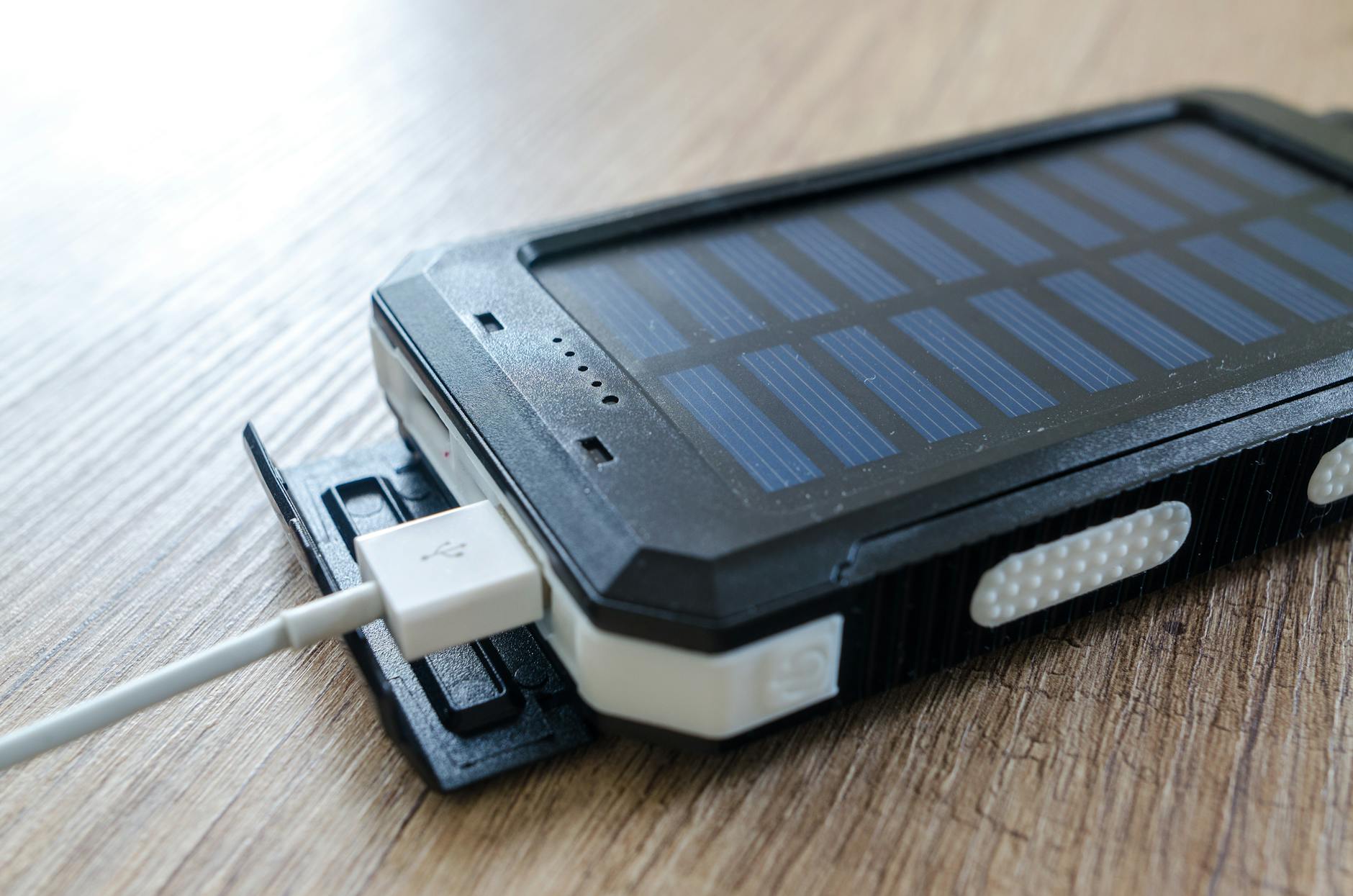
If you've ever bought a power bank and quietly wondered what that "one-year warranty" actually means for you, you're not alone. Warranties can sound reassuring on a product page but vague the moment something goes wrong. This post breaks down exactly what your warranty covers when you buy from us, what it doesn't, and how to make sure you can actually use it when you need to.
This article is part of our complete guide: Power Banks Best Prices.
What Your One-Year Power Bank Warranty Actually Covers
Our warranty starts with the batteries themselves. We use A-grade battery cells, and if one of them develops a manufacturing defect within 12 months of your purchase, that is covered. This means defects that were present from the factory, not issues that develop because of how the power bank was handled after it left us. A-grade cells are graded on capacity accuracy, stability, and cycle consistency, so a defect showing up early is a clear sign something went wrong before the unit reached you. You will not be left holding that cost.
The multi-protection circuits built into every unit are also covered. These circuits handle overcharge protection, short-circuit prevention, and temperature regulation, and they are what keep your phone and the power bank itself safe. If one of these circuits fails in a way that traces back to a factory fault, the warranty applies. A failure in these systems within the first year is almost always a manufacturing issue rather than a usage issue. We inspect each claim carefully to confirm the cause.
Beyond the electronics, the physical components you interact with every day are included. Charging ports, power buttons, and built-in cables are all eligible if they fail due to a defect rather than damage. For our 50000mAh models with built-in cables, the cable connections are treated as part of the unit. If a port stops making contact or a button becomes unresponsive without any visible physical damage, bring it in. The LED lighting functions on our larger units are also covered if a factory fault causes them to fail or behave incorrectly.
One more thing worth knowing: if a power bank's capacity degrades dramatically and well beyond normal wear within the first 12 months, that is also something we treat as a warranty matter. Some capacity loss over time is expected and normal, but a unit that drops to a fraction of its rated capacity after only a few months of reasonable use is pointing to a cell defect. We will assess it and, if confirmed, replace or repair it without charge.
What the Warranty Does NOT Cover
Physical damage is the most common reason a claim gets declined, and it is straightforward to understand. If your power bank has been dropped hard, crushed, or impacted in a way that affects its internal or external condition, the warranty does not apply. The damage does not have to be obvious from the outside. A hard drop can shift or crack internal components without leaving a visible mark, and our inspection process will usually reveal this. Taking care of your device is the simplest way to protect your claim.
Liquid damage is also excluded, and Kenya's rainy seasons make this worth taking seriously. A power bank left on a seat during a downpour, knocked into a sink, or soaked in a bag can suffer damage that will not be covered. Water and electronics are a straightforward combination to avoid. Store your power bank in a dry pocket or bag compartment, and if it does get wet, do not try to charge it or use it until it has dried out completely. Even then, the damage may already be done.
Using the wrong charger or cable is another exclusion that catches people off guard. Power banks are designed to work within specific input ranges, and using a poorly made or incompatible adapter can stress the internal circuits in ways that look like a defect but are not one. Our certifications cover the unit we sell you, not what happens when it is charged with a random cable bought elsewhere. Stick to certified chargers appropriate for your model's input rating.
Opening the device yourself or taking it to an unauthorized repair shop will void your warranty immediately. We understand the temptation when something stops working and the repair shop downstairs seems faster, but once the casing is opened by anyone other than us, we can no longer verify the original condition of the components. If your power bank has an issue, contact us first. Finally, battery capacity loss that occurs after the 12-month period has ended, or damage from storage in extreme heat, direct sun, or a hot car, falls outside our coverage.
How to Keep Your Warranty Valid in Kenya's Climate
Kenya's climate presents some specific storage challenges worth planning around. Direct sunlight, hot vehicles, and humid conditions can all affect your power bank even when it is not in use. Store it somewhere cool and dry, whether that is a drawer at home, a padded bag compartment, or a shaded shelf. The goal is to keep it away from temperature extremes between uses. Consistency in storage conditions extends both your battery's life and your warranty's validity.
Temperatures above 45°C are where real damage starts to occur. Leaving your power bank on a car dashboard or in the boot during a hot Nairobi afternoon can push internal temperatures well past that threshold. Even partially discharging and recharging in a hot environment puts extra strain on the cells. This kind of heat damage is not a manufacturing defect and will not be covered. A simple habit of moving your power bank out of the car when you park makes a meaningful difference.
Use the cables and chargers that match your model's specifications. Our built-in cable models simplify this by reducing the number of third-party accessories in the loop, but the charging adapter still matters. Avoid very cheap wall adapters that deliver inconsistent voltage or current. Keep your receipt and warranty card in a safe place from the day you buy. You will need proof of purchase to make any claim, and without it, we have no way to verify when or where you bought the unit.
Filing a Warranty Claim: The Process at Powerbanks.africa
The process starts with getting in touch. Contact us within 12 months of your purchase date, and have your receipt or order confirmation ready along with the device itself. Describe what you are experiencing clearly, including when you first noticed the issue and whether anything unusual happened around that time. The more detail you give us upfront, the faster we can assess the situation. You can reach us through our website or visit us directly at Mountain Mall on Thika Road in Nairobi.
Once we have the unit, we inspect it to determine whether the fault is a manufacturing defect or the result of external damage or misuse. This inspection is what makes the process fair for everyone. If your claim is approved, we will replace or repair the unit at no cost to you. Turnaround time depends on the nature of the fault and whether a replacement is needed, and we will give you a realistic timeline at the point of assessment. No fees, no guesswork.
CE, FCC, and RoHS Certifications: Why Your Warranty Matters
Our power banks carry CE, FCC, and RoHS certifications, and these are not just stickers. CE certification covers electrical safety and product compliance with European standards. FCC certification addresses radio frequency interference, which matters for devices used near phones and other electronics. RoHS certification confirms the unit does not contain restricted hazardous substances. Together, they represent a product that has been tested by external bodies, not just the manufacturer's own quality claims.
These certifications are closely tied to the warranty itself. A warranty is only meaningful when the product behind it has been built to a standard that makes the warranty claims credible. Uncertified or counterfeit power banks are common in the Kenyan market, and they often come with warranty promises that turn out to be meaningless because the seller cannot be found or the product was never built to any verifiable standard. When you buy a certified product from us, the warranty is backed by genuine product quality. That is the combination that actually protects you.
Common Warranty Questions from Kenyan Customers
One question we hear regularly is whether normal battery capacity loss is covered. It is not. All rechargeable batteries lose some capacity over time as a natural part of the charge cycle process, and capacity that fades gradually over a year or more of regular use is expected behaviour. What we do cover is dramatic, early degradation that points to a cell defect. If you are unsure whether what you are seeing is normal, contact us and we will help you assess it.
If you bought online and are based outside Nairobi, your warranty is still fully valid. Nationwide delivery does not affect your coverage, and the warranty period runs from your purchase date regardless of where you are in Kenya. You can initiate a claim through our website, or if you are in Nairobi, you are welcome to come directly to Mountain Mall. Customers often ask what happens if their power bank fails just after the 12-month window closes. The standard warranty will have ended, but we can advise you on repair options and are happy to take a look at the unit. We would rather help you find a solution than leave you without one.
A warranty is not just paperwork. When the product is built right and the coverage is clearly explained, it is genuine reassurance that the company behind your purchase stands by what it sells. We built powerbanks.africa around quality and durability, and our one-year warranty is the direct expression of that commitment. If you have questions about your specific model or want to check your warranty status, get in touch with us and we will sort it out.
See everything powerbanks.africa can do for you.
Visit powerbanks.africa →