Solar battery replacement signs Kenya: When to act
A failing solar battery rarely announces itself loudly. Solar battery replacement signs in Kenya are easy to miss because the decline happens gradually, and by the time performance drops noticeably, other parts of your system may already be under strain. Knowing what to watch for puts you in control before repair bills grow, and a quality power bank can bridge the gap while you sort out a replacement.
See everything powerbanks.africa can do for you.
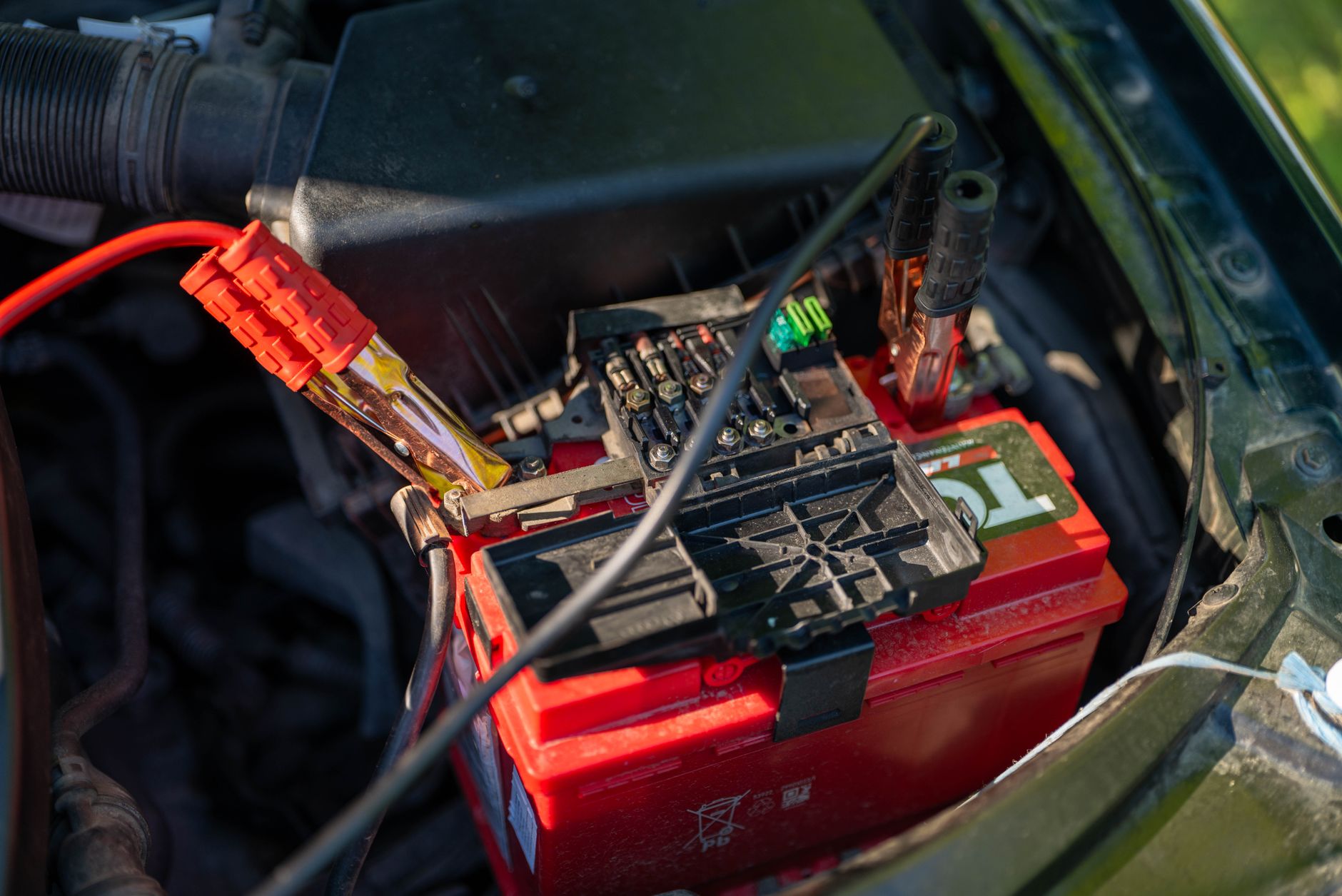
If you rely on solar power at home in Kenya, keeping your battery in good health is not optional. Solar battery replacement signs Kenya homeowners often miss can turn a small problem into a very expensive one before they even notice anything is wrong. Solar batteries degrade gradually over months and years, which means the warning signs tend to creep up rather than arrive all at once. Understanding what to look for gives you the chance to act before a failing battery takes your inverter or charge controller down with it. This post walks you through the most important indicators, so you can make an informed decision about when to replace your battery rather than waiting until it forces the issue on you.
Why solar battery replacement signs matter in Kenya
A failing solar battery rarely just stops working cleanly. It puts stress on every connected component, including your inverter and solar panels, before it finally gives out. Solar batteries degrade in ways that cause irregular voltage, which inverters are not designed to handle for long periods. In Kenya, where temperature swings between Nairobi's cooler highlands and the coastal heat of Mombasa are significant, that degradation accelerates noticeably. Catching the warning signs early is the single most cost-effective thing a solar system owner can do.
Kenya's climate adds a layer of urgency that homeowners in cooler countries do not face. Heat speeds up the chemical reactions inside a battery, reducing its ability to hold a charge over time. Humidity, especially in coastal and lakeside regions, encourages corrosion at the terminals and internal components. A battery that might last eight years in a temperate climate could show serious decline within five years in Nairobi, and even faster closer to the coast. This means Kenyan homeowners need to be more alert, not less, than the battery manufacturer's general guidelines suggest.
The financial argument for early detection is straightforward. Replacing a battery on your own schedule costs significantly less than replacing a battery plus a damaged inverter at the same time. Inverters are the most expensive single component in most residential solar setups, and a battery that delivers unstable voltage puts constant strain on them. Understanding the solar battery replacement signs Kenya residents commonly encounter is therefore an investment in protecting the rest of your system. Acting early keeps your repair bill predictable and manageable.
Slower charging than normal indicates battery decline
One of the first things most solar system owners notice is that their battery takes longer to reach full charge than it used to. When your battery was new, it probably reached full capacity within a specific number of hours on a clear Nairobi day. If that same sunny day now leaves your battery sitting at eighty percent by evening, the battery's internal resistance has increased. Higher internal resistance means the battery absorbs energy less efficiently, even when the solar panels are producing exactly what they always have. This is often the earliest quantifiable sign that something is changing inside the battery.
Kenyan homeowners sometimes attribute slow charging to dusty panels or a cloudy season, and those explanations are sometimes correct. The useful test is to clean the panels thoroughly, confirm they are angled correctly, and then monitor charging over several consecutive sunny days. If the charging speed remains slower than it was in the battery's first year of operation, the panels are likely not the issue. Slow charging paired with unusually warm battery temperatures during the charging cycle points even more directly at battery decline. At this stage, more frequent monitoring is worthwhile, and replacement planning should begin.
Solar battery replacement signs visible on the battery itself
Some of the clearest solar battery replacement signs Kenya users can identify require nothing more than a careful visual inspection. Corrosion around the terminal posts appears as a white, greenish, or blue crust, and while light surface corrosion can sometimes be cleaned, heavy or recurring corrosion suggests the battery casing is compromised. Swelling or bulging anywhere on the battery casing is a more serious sign, indicating that internal gases are building up due to cell damage. A warped or misshapen battery should be taken out of service immediately, regardless of how recently it was installed. Physical distortion means the internal structure has changed in a way that cannot be reversed.
Cracks in the casing, any evidence of leaking fluid, or a persistent sulphurous smell near the battery are all reasons to stop using the battery and arrange a replacement without delay. These signs do not improve with time, and continuing to use a physically damaged battery risks fire, chemical exposure, and damage to the equipment connected to it. In Kenya's hot and humid environment, physical damage tends to worsen quickly once it starts. Batteries stored in poorly ventilated spaces, which is common in many Kenyan home solar installations, are especially vulnerable to this kind of accelerated deterioration. Never attempt to repair a visibly damaged solar battery yourself, because the risks to your safety and your equipment are too high.
Performance drops during peak usage hours
A healthy solar battery maintains a stable voltage even when multiple appliances are running at the same time. Voltage sag, where the voltage drops noticeably when you switch on a refrigerator, television, or water pump, is a sign that the battery can no longer supply consistent power under load. This symptom is often most obvious in the evening hours after a full day of charging, which is when the battery should be at its strongest. If your lights flicker or your inverter clicks off when you add an appliance, the battery's usable capacity under load has fallen significantly. That gap between the battery's theoretical charge level and what it can actually deliver is a reliable replacement indicator.
Nairobi's rainy seasons reduce daily sunlight hours, which means your battery has to carry more of the overnight and daytime load without a full recharge. A battery that performs adequately during the long, sunny days of the dry season may expose its weaknesses very quickly once the rains arrive. Frequent blackouts or inverter shutdowns during overcast periods, despite the battery showing a reasonable state of charge, suggest that the usable capacity has shrunk well below its rated figure. Seasonal performance testing, comparing how your system handles two or three consecutive cloudy days now versus how it handled them a year ago, gives you useful data for making a replacement decision. Reduced capacity under real operating conditions is one of the most honest and direct signals that a battery's useful life is ending.
Age and lifespan tell you when replacement is due
Most quality solar batteries sold in Kenya are rated for somewhere between five and ten years of service life, depending on the chemistry, the depth of discharge, and how carefully the system is maintained. A-grade batteries with genuine multi-protection circuitry and proper installation tend to reach the upper end of that range, while lower quality cells often show significant decline within three to four years. Once your battery passes its fifth birthday, it deserves a closer level of attention even if it appears to be performing normally. Checking the manufacturing date on your battery documentation is a simple step that many homeowners overlook when they are troubleshooting performance issues. The date gives you important context for interpreting every other sign you observe.
Planned replacement based on age is a strategy that experienced solar system owners in Kenya increasingly adopt, particularly for systems that power critical loads like home offices, medical equipment, or refrigeration. Waiting for a complete failure means your home loses power at the least convenient moment, often during a prolonged outage when you need your solar system the most. Scheduling a replacement before obvious failure allows you to compare options carefully, take advantage of warranty protections, and have the new battery installed without the pressure of an emergency. Even a battery that still charges and discharges without obvious complaint will often show measurable capacity loss after five years in Kenya's climate. Proactive replacement, timed around the battery's age and supported by performance monitoring, is simply better planning.
Acting on solar battery replacement signs saves money
The cost comparison between a planned battery replacement and an emergency repair is not close. A failing battery that stays in service too long can expose your inverter to irregular voltage and deep discharge cycles that shorten its life dramatically, and inverters cost considerably more than batteries in most residential solar setups. Replacing a battery when you first notice reliable warning signs means you pay for one component, on your schedule, at a price you can shop around for. Waiting until a failed battery has damaged other equipment means paying for multiple repairs at the same time, often under time pressure that prevents you from finding the best value. The financial case for acting on early warning signs is straightforward and significant.
A failed solar battery also means your home loses the backup power that most Kenyan households depend on during Kenya Power outages. Nairobi residents experience scheduled and unscheduled outages regularly, and a solar system with a healthy battery provides genuine protection against those disruptions. Quality replacement batteries come with warranties that give you documented protection for the next several years of service. Nationwide delivery across Kenya means sourcing a quality replacement does not require a trip to Nairobi if you are in Kisumu, Eldoret, Nakuru, or Mombasa. Investing in a reliable replacement battery, chosen carefully and installed properly, is the decision that keeps your home powered and your wider system protected for the next cycle of service.
Recognizing the warning signs of a failing solar battery is one of the most practical skills a Kenyan homeowner with a solar system can develop. Slow charging, physical damage, voltage sag during peak hours, and age all provide reliable information about where your battery stands in its service life. Acting on those signals early keeps your inverter safe, keeps your home powered during outages, and makes the cost of maintaining your solar system predictable rather than alarming. None of the signs described here require specialist equipment to notice; most of them are visible or measurable with ordinary attention to how your system performs day to day. The homeowners who get the best value from their solar systems are the ones who pay attention, plan ahead, and replace their batteries before the battery makes the decision for them.
See everything powerbanks.africa can do for you.
Visit powerbanks.africa →