Solar Panel Brands Kenya: Which Last Longest
Buying a solar panel is one of the largest purchases most households and businesses make, yet durability rarely gets the attention it deserves during price negotiations. Choosing a panel that fails early can cost far more in replacements and lost generation than the saving made at purchase. Knowing how to read build quality signals, certifications and warranty terms puts you in a stronger position before you spend a single shilling.
See everything powerbanks.africa can do for you.
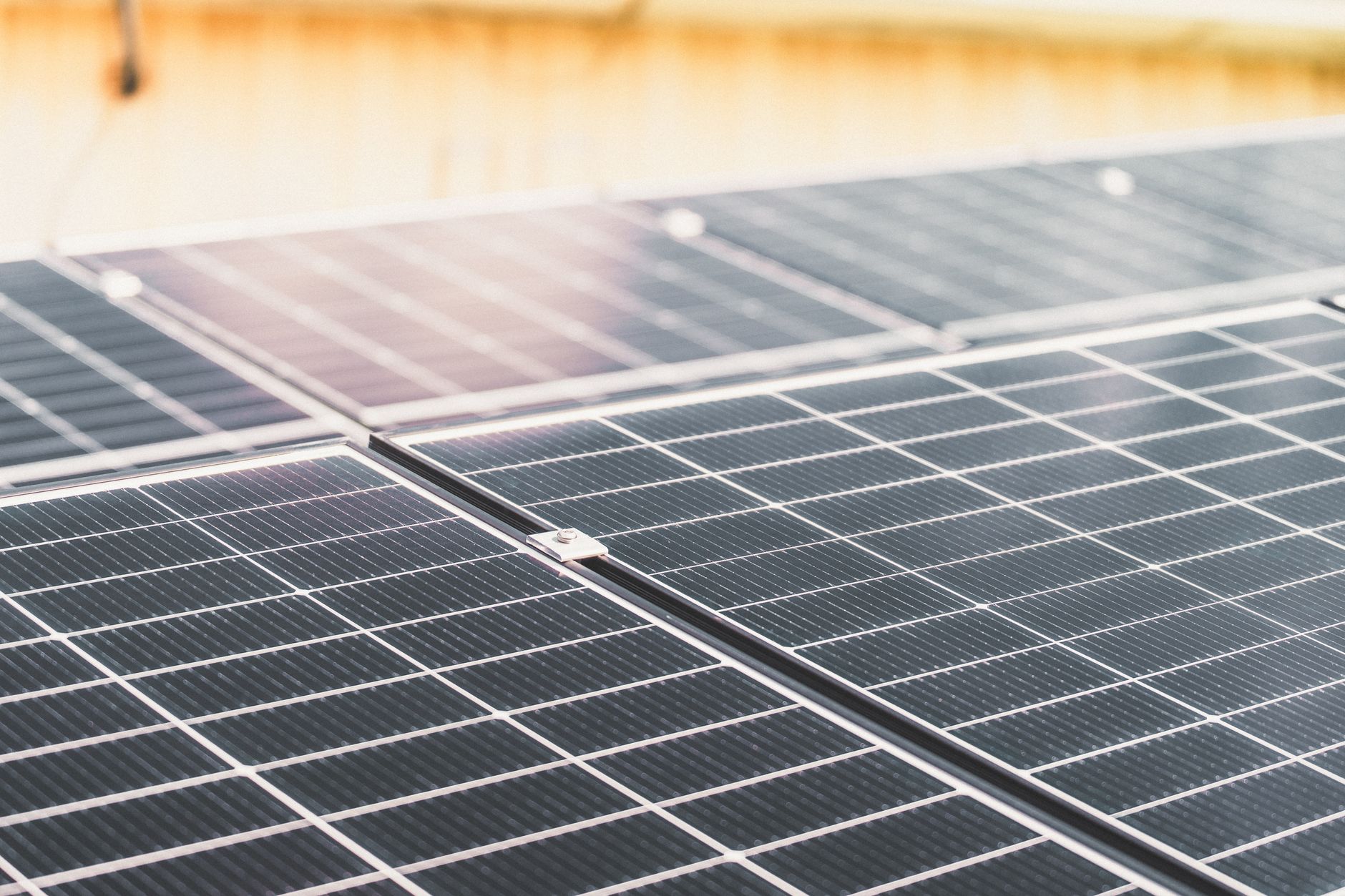
Buying a solar panel in Kenya is one of the largest purchases most households and businesses make, and solar panel brands kenya durability should sit at the centre of your decision before price negotiations begin. The market is full of options at wildly different price points, and not all of them will still be earning their keep on your roof in 2045. If you have already explored Solar Panels Best Prices, you know that genuine value means tracking total cost over a panel's lifetime, not just what you hand over at the point of sale. Kenya's intense equatorial sun, its wide temperature swings between the highlands and the coast, and its seasonal heavy rains put solar panels under real physical stress every single day. Understanding which brands are built to survive those conditions will help you spend money once instead of twice.
Why Solar Panel Brands Kenya Durability Matters to Your Investment
A solar panel is effectively a 25-year financial commitment, and durability directly determines your actual cost per watt over that entire period. Poor build quality leads to early degradation, reduced electricity output, and expensive replacements well before the 15-year mark, eroding every saving you expected from going solar. Kenya's climate poses genuine physical stress that separates robust construction from cheap construction: intense UV exposure at altitude, temperature swings between the hot coast and cooler central highlands, and occasional torrential rains demand panels that can handle all three simultaneously. Warranty length and manufacturer reputation are the clearest signals of real confidence in durability, because no company voluntarily backs a weak product for 25 years. Prioritising solar panel brands kenya durability from the very start of your research protects your roof, your cash, and your electricity supply for the decades ahead.
Top Durable Solar Panel Brands Available in Kenya Right Now
Canadian Solar combines tempered glass, premium backsheets, and multi-layer encapsulation in a product that has demonstrated consistent performance in Kenyan installations. The brand is backed by strong local warranty support through established distributors across Nairobi and Mombasa, which makes claiming a warranty a practical process rather than a paperwork nightmare. JinkoSolar currently leads global market share and uses monocrystalline cells with anti-reflective coatings that resist dust accumulation and UV breakdown common across East African rooftops. Trina Solar emphasises thick aluminum frames and robust edge sealing, specifically addressing the moisture ingress problem that gradually degrades panels in humid coastal regions like Mombasa and Malindi. Longi Green Energy uses bifacial module designs and durable cell technology that maintains efficiency even under Kenya's harsh direct sunlight, making it a popular choice among larger commercial installations around Nairobi. Risen Energy is gaining genuine traction among Nairobi-based installers due to its reinforced junction boxes and controlled assembly processes that translate into fewer early failures on the ground.
How to Read Build Quality Signals Beyond the Brand Name
Glass thickness and tempering quality deserve your attention first, because thin or inadequately treated glass develops micro-cracks from thermal cycling between 40-degree afternoons and cool highland nights, allowing moisture to reach the cells beneath. Backsheet material is equally important, and polyester backing degrades faster than polypropylene or fluoropolymer alternatives when exposed to intense equatorial sun year after year. Frame construction matters too: 6063-T5 aluminum resists corrosion significantly better than cheaper alloys, particularly in coastal environments or areas with industrial air pollution around towns like Thika or Athi River. Solder quality in the electrical connections between cells directly affects long-term reliability, and premium brands use lead-free solder with controlled cooling processes to prevent the micro-fractures that cause gradual output loss. Edge sealants and encapsulation thickness are your last line of defence against water vapor ingress, which causes the yellowing, delamination, and internal corrosion that silently kill panels between years 15 and 25. Taken together, these construction details tell you far more about a panel's expected lifespan than any marketing claim on the packaging.
What Certifications Tell You About Build Standards
Certifications are not just paperwork; they reflect tested construction methods and material standards that independent laboratories have verified. IEC 61215 and IEC 61730 are the two baseline certifications worth checking, because they cover both performance and safety under defined stress conditions. CE, FCC, and RoHS markings indicate compliance with international standards for electrical safety and material quality, and KEBS-certified products have also passed import testing relevant to the Kenyan market. A panel carrying all of these certifications has passed independent laboratory tests, not just a manufacturer's internal checks. Ask your supplier for the actual certification documents rather than relying on a logo printed on the product box. If a supplier cannot produce them on request, treat that as a warning sign worth investigating further before you commit.
Junction Box and Bypass Diode Quality
The junction box on the back of each panel is a component that many buyers overlook entirely until it fails. A poorly sealed junction box allows moisture inside, corroding the electrical contacts and eventually causing the panel to stop producing power completely. Bypass diodes inside that box protect cells from overheating under partial shading, and cheap diodes fail at high temperatures, which are common on Kenyan rooftops throughout the dry season. Premium brands use IP67-rated junction boxes that are tested to keep water out across years of continuous outdoor exposure. Checking for a clearly labelled IP rating on the junction box specification sheet is a fast and reliable quality signal that takes less than a minute to verify. A well-sealed, robustly constructed junction box is one of the clearest indicators that a manufacturer has thought carefully about long-term field performance.
Warranty Length and What It Really Tells You
The industry standard is a 25-year linear performance warranty, and any brand offering only 10 or 15 years is implicitly signalling lower confidence in how its panels will behave as they age. A genuine 25-year warranty with less than 0.5 percent annual degradation means your panel will still produce around 88 percent of its original output at year 25, which is a fundamentally different product from one degrading at 0.8 percent per year. Local warranty coverage in Kenya matters as much as the global brand reputation behind it, because claiming a warranty from an overseas manufacturer without regional support can take months and may require shipping a failed panel abroad. Ask specifically whether your warranty covers frame corrosion, glass breakage, and electrical faults separately from the performance guarantee, because defect coverage and output guarantees are two different documents. Manufacturers confident enough to offer performance guarantees below 0.45 percent annual decline are placing a concrete bet on the durability of their own product. Reading both documents carefully before signing anything can save you a painful dispute years down the line.
Why Cheaper Brands Often Cost More Over 25 Years
A budget panel degrading at 0.8 percent per year drops to roughly 82 percent output by year 25, while a premium brand degrading at 0.4 percent retains around 90 percent, meaning you will need to buy additional capacity sooner to maintain the same electricity generation. Panels failing early force replacement cycles that cost both money and time, and pulling down and reinstalling an array disrupts your power supply during exactly the dry seasons when solar output matters most. Poor build quality correlates directly with higher failure rates in components like junction boxes and bypass diodes, turning problems that should be small repairs into full panel replacements. Thermal stress from Kenya's climate accelerates these failures in cheaper panels, and what might last 20 years in a temperate European climate often begins declining seriously after 12 years on a Nairobi rooftop. Replacing half your array in year 15 can cost as much as the original system installation, which eliminates every saving achieved by choosing a lower upfront price. The arithmetic of solar panel brands kenya durability differences over time consistently favours quality over short-term savings.
How to Evaluate Local Installer Experience
Experienced local installers hold information that no specification sheet can provide, because they have seen firsthand which panels are still performing well after five or ten years in Kenyan conditions. Ask any installer you are considering which brands they remove most often due to early failure, and which brands they would put on their own roof without hesitation. Installers working regularly around Nairobi, Nakuru, and Mombasa encounter the full range of Kenya's climatic conditions, and their practical observations about corrosion, cracking, and output decline are highly relevant data points. A good installer will also tell you which brands have the most reliable local spare part supply, because sourcing a replacement bypass diode or junction box component quickly makes a genuine difference to your system uptime. Be cautious of installers who push a single brand aggressively without comparing it to alternatives, since that pattern sometimes reflects supplier incentives rather than honest technical assessment. Cross-referencing the opinions of two or three independent installers gives you a much clearer picture of real-world performance than any single source can offer.
Matching Brand Choice to Your Specific Kenyan Location
Kenya's geographic variety means that the best brand for a home in Kisumu may differ slightly from the best choice for a property in Nyeri or a commercial rooftop in Mombasa. Coastal humidity accelerates frame corrosion and moisture ingress, so brands with the most robust edge sealing and corrosion-resistant alloy frames deserve extra weight in that environment. High-altitude locations like Nyeri and Eldoret expose panels to stronger UV radiation and wider daily temperature swings, making superior cell encapsulation and glass quality more critical factors. Urban industrial areas around Thika and Athi River add airborne chemical exposure that can degrade cheaper backsheet materials faster than clean rural air would. Arid northern counties face dust accumulation and extreme heat that tests anti-reflective coatings and thermal management properties. Matching the brand's specific construction strengths to the demands of your actual location is the final step in making a genuinely informed purchase.
Making Your Final Choice: Durability Over Price Alone
Compare panels by levelized cost over 25 years rather than initial price, because a panel costing 20 percent more upfront but delivering reliable output for five additional years almost always saves money when you run the full arithmetic. Ask your installer which brands they see failing earliest on Kenyan rooftops and which ones are still performing well after a decade in the field, because experienced local installers have real data that no manufacturer specification sheet will give you. Prioritise brands with strong local relationships and spare part availability, because a failed junction box or bypass diode should be a straightforward repair, not a reason to buy an entirely new panel. Request performance monitoring data from existing installations in Kenya if you can, since real degradation curves from local conditions are far more relevant than manufacturer claims tested in European or Chinese laboratories. Balance between proven global brands and emerging options gaining traction locally, because regional experience in Kenyan conditions sometimes reveals that a less-marketed brand outperforms a famous one on your specific rooftop environment. Running these checks methodically before you commit turns a potentially risky decision into a confident and well-supported one.
Choosing the right solar panel brand comes down to treating your purchase as the long-term infrastructure investment it genuinely is. The brands covered here have all demonstrated serious commitment to build quality, but the details of glass, frames, backsheets, and warranties are worth verifying for every specific product, not just the brand family. Talk to Kenyan installers who have worked with these panels for five years or more, ask for certification documents, and check local warranty support before you sign anything. A panel that is still producing strong output in year 20 will have paid for itself several times over, while a cheap alternative that fades early will leave you back in the market far sooner than you planned. Making the right choice now protects your roof, your investment, and your electricity supply for the next quarter century.
See everything powerbanks.africa can do for you.
Visit powerbanks.africa →